Logistics Focus
Search and filter sharp, essential coverage across every logistics topic that matters.
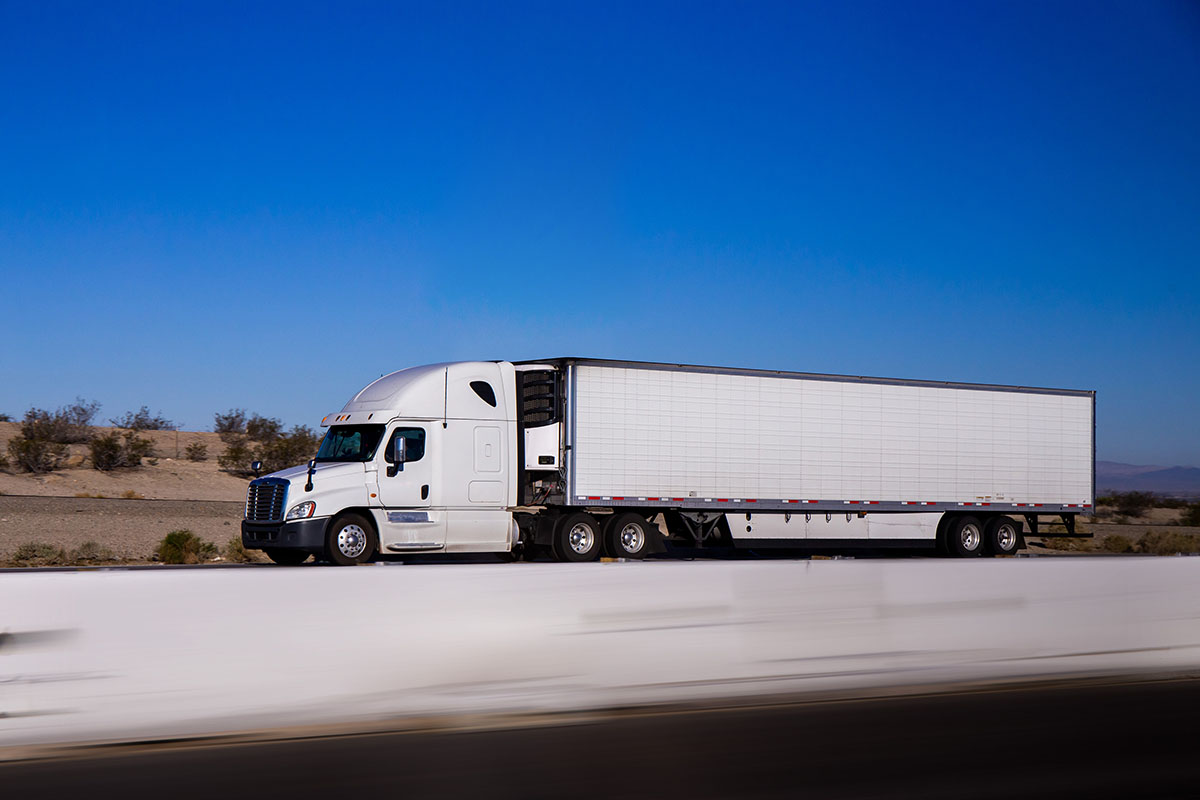
FMCSA has pulled dozens of self-certified logging devices off its registered list. Enforcement on one batch began September 8, the next lands October 6, and the liability sits with the carrier, not the vendor.
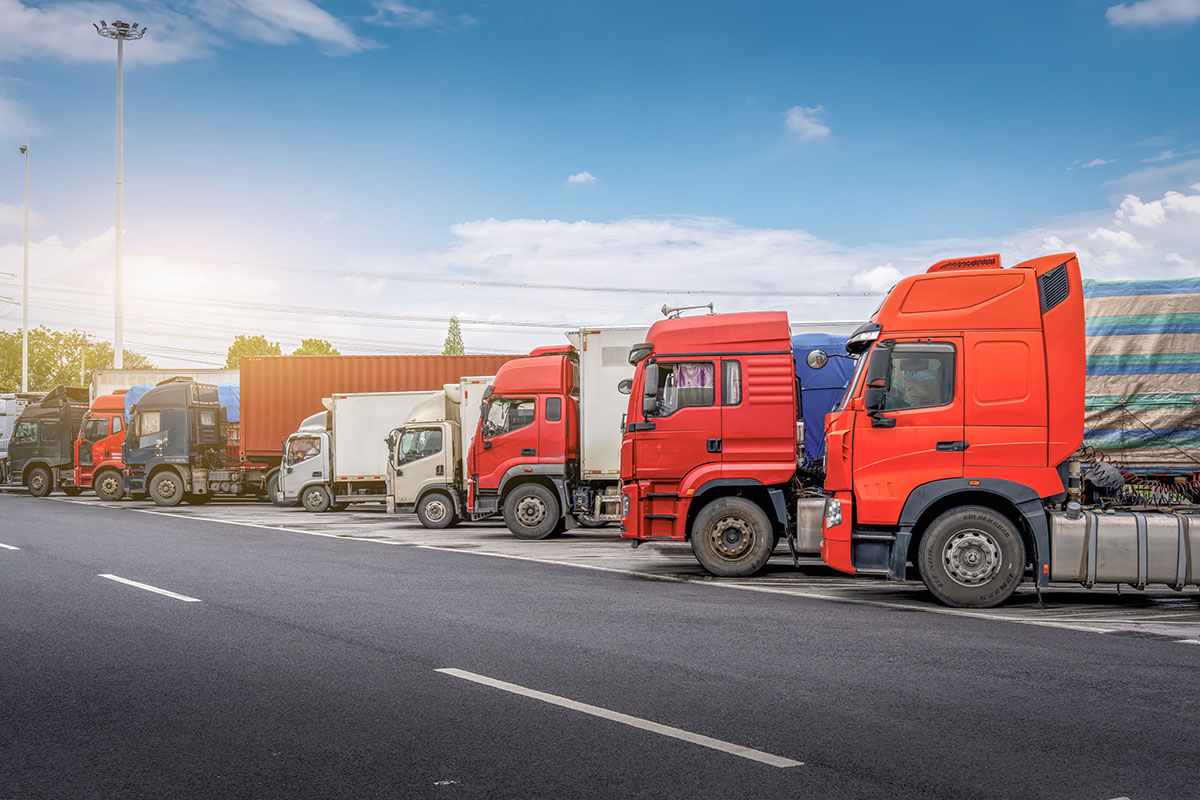
Shipments are down, yet shippers are paying far more and tender rejections sit near multi-year highs. Insurance, enforcement and tougher carrier vetting are pulling trucks off the road faster than demand is easing.

Rules-of-origin requirements under USMCA are driving a quiet but consequential reshuffling of supplier relationships and freight lanes. Here is how the best procurement teams are navigating it.

Consumer demand for same-day and next-hour delivery has grown faster than carrier infrastructure can support. New research reveals the gap, who bears the cost, and which networks are closest to closing it.

Decarbonizing freight does not require sacrificing cost competitiveness. We analyzed the sustainability programs of 30 leading shippers and found that the most effective strategies combine modal shift, carrier partnerships, and data-driven procurement.

When the supply chain champion leaves, momentum too often stalls. The organizations with the most resilient operations have embedded strategy into governance structures that outlast any individual leader.

A new generation of AI tools promises to cut transportation costs by 15 to 30 percent through dynamic routing. We talked to the logistics teams who have been testing them for 18 months, and the results are more nuanced than the vendors admit.
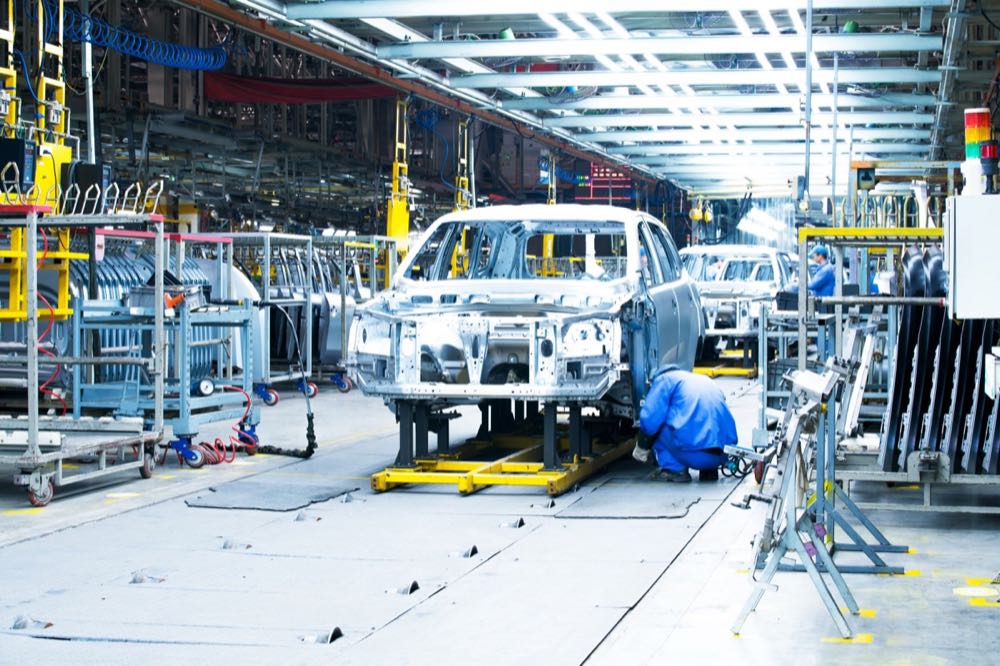
As companies move production closer to home markets, freight patterns across North America are shifting faster than most carriers anticipated. We spoke with the shippers and 3PLs driving the change.
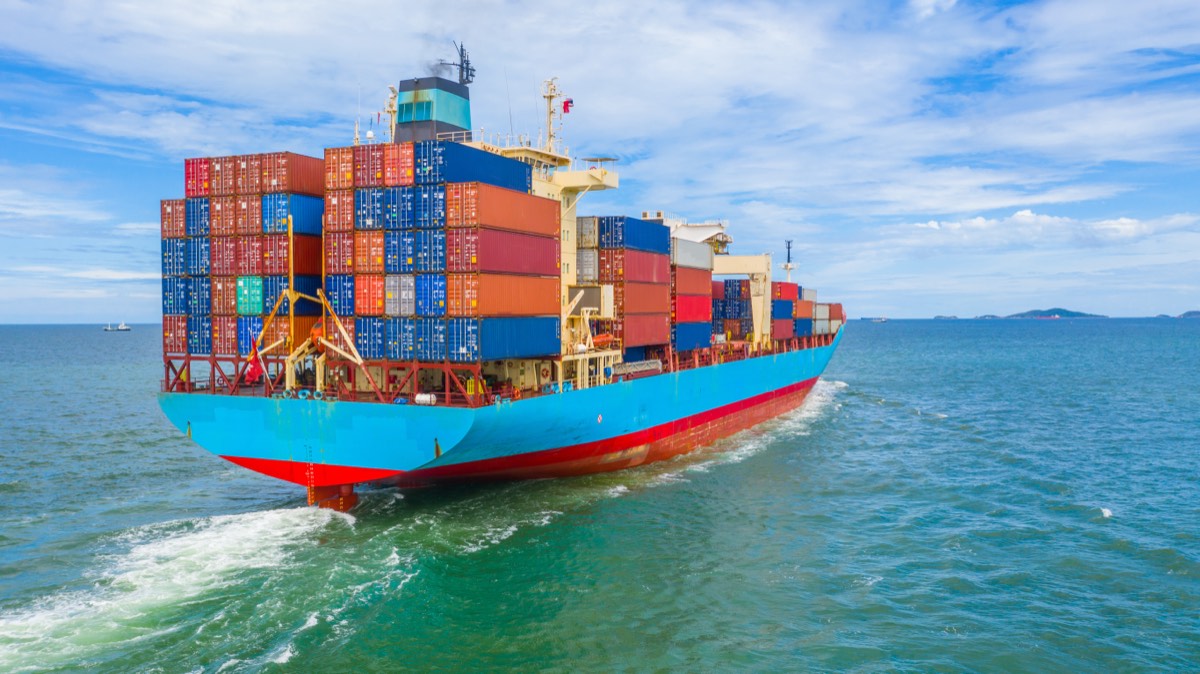
Regulators on both coasts are moving to impose new performance standards on major container ports. Shippers and carriers have a narrow window to prepare before penalties begin.

From low-emission zones to loading dock restrictions, municipalities are reshaping the conditions under which freight moves through urban cores. Carriers that adapt now will hold a structural advantage.

Scope 3 emissions from transportation remain the largest unresolved gap in most corporate climate disclosures. Companies building robust measurement systems now will be ahead when the rules tighten.

After years of being treated as an operational function, logistics leadership is earning genuine executive authority. We spoke with 14 CLOs about what changed, what they had to prove, and what still needs to shift.

From autonomous mobile robots to goods-to-person systems, warehouse automation has moved from pilot to full production at hundreds of facilities. We put five leading platforms through a rigorous head-to-head evaluation.

A wave of updated import and export compliance requirements is hitting North American and European freight corridors. We break down what changed, which shipments are most exposed, and what the best compliance teams are doing now.
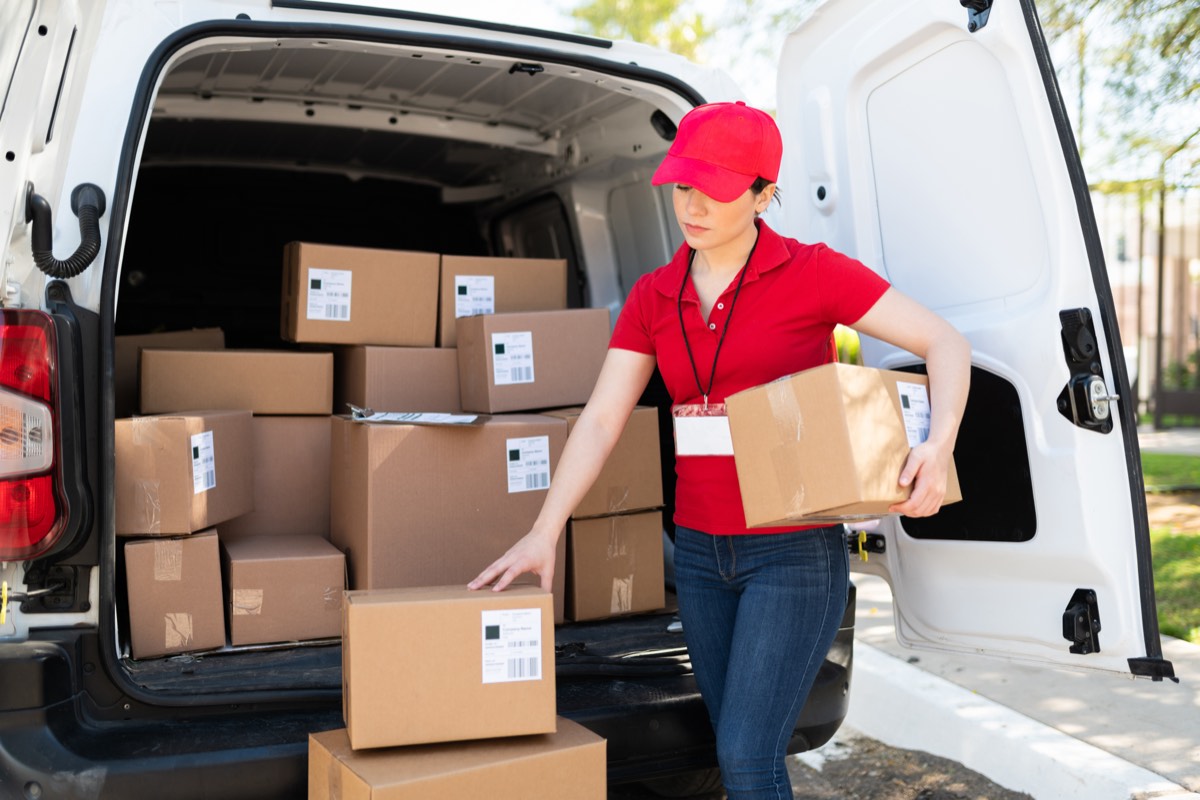
With fuel surcharges, labor costs, and customer expectations all moving in the wrong direction, last-mile economics are under severe pressure. A handful of carriers have found a better model.
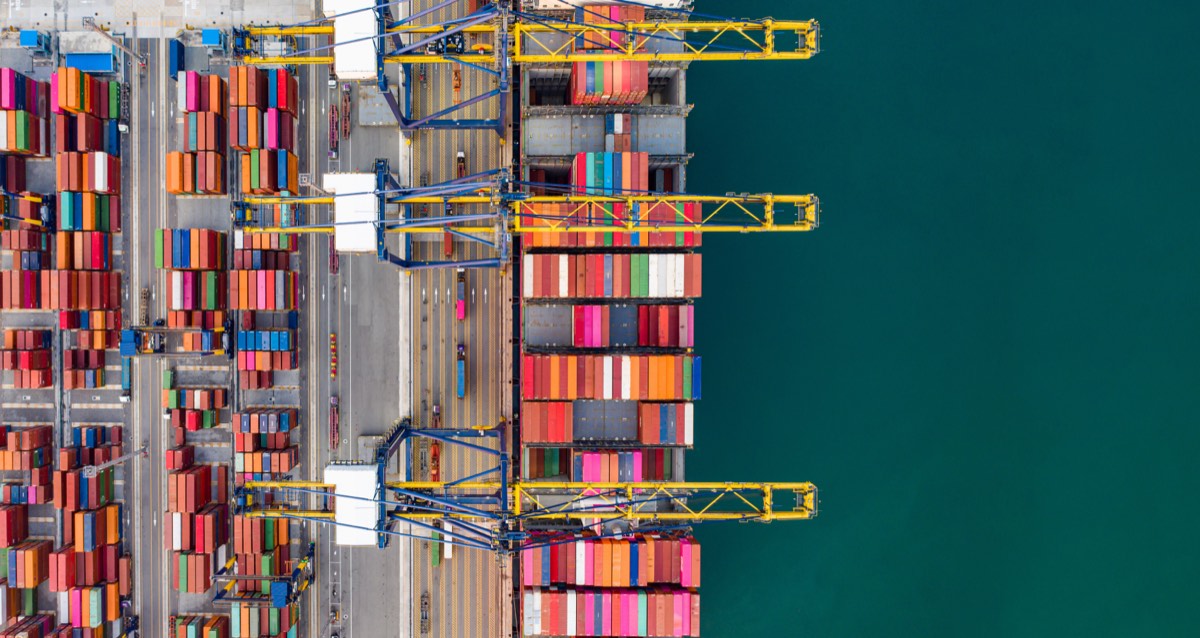
A sweeping realignment of freight flows is underway as trade policy shifts, carrier consolidation, and nearshoring momentum combine to redraw where goods move and how they get there.

Shipper sustainability commitments are setting new expectations for carrier emissions reporting and green fleet adoption. New data shows the majority of carriers lack the systems to verify compliance, let alone meet the targets.
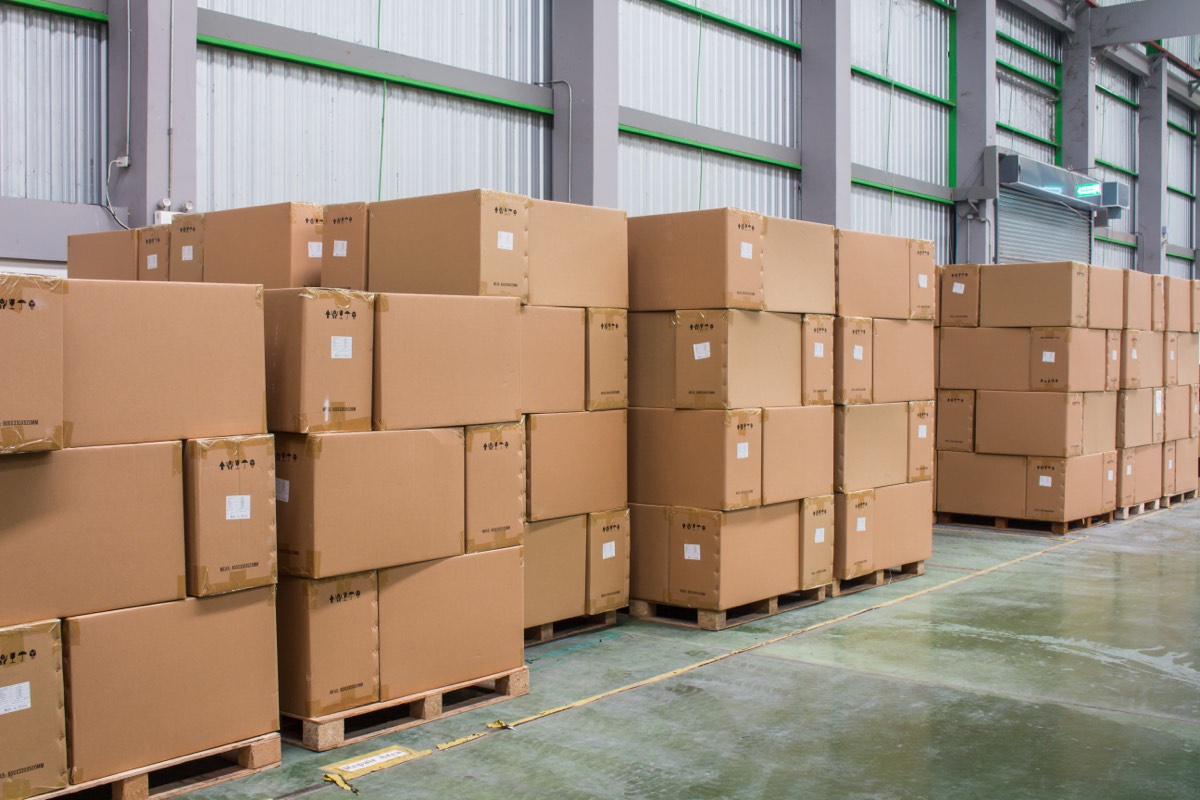
After years of lean inventory discipline, supply chain disruptions have forced a fundamental rethink. The companies that survived the last three years of volatility share a common trait: they stockpile strategically.

Real-time digital replicas of physical supply chain networks are giving operations teams the kind of end-to-end visibility that was impossible five years ago. Here is how they work in practice and what implementation actually costs.

The gap between collecting supply chain data and actually influencing executive strategy remains wide at most organizations. A small cohort of logistics teams has cracked the code. Here is their approach.
