Theft incidents are down across North America, and the dollar losses have gone the other way. Organized groups have swapped broken locks for stolen identities and fake pickups, which means the defense now sits in verification systems and data, not fences and padlocks.
Key Takeaways
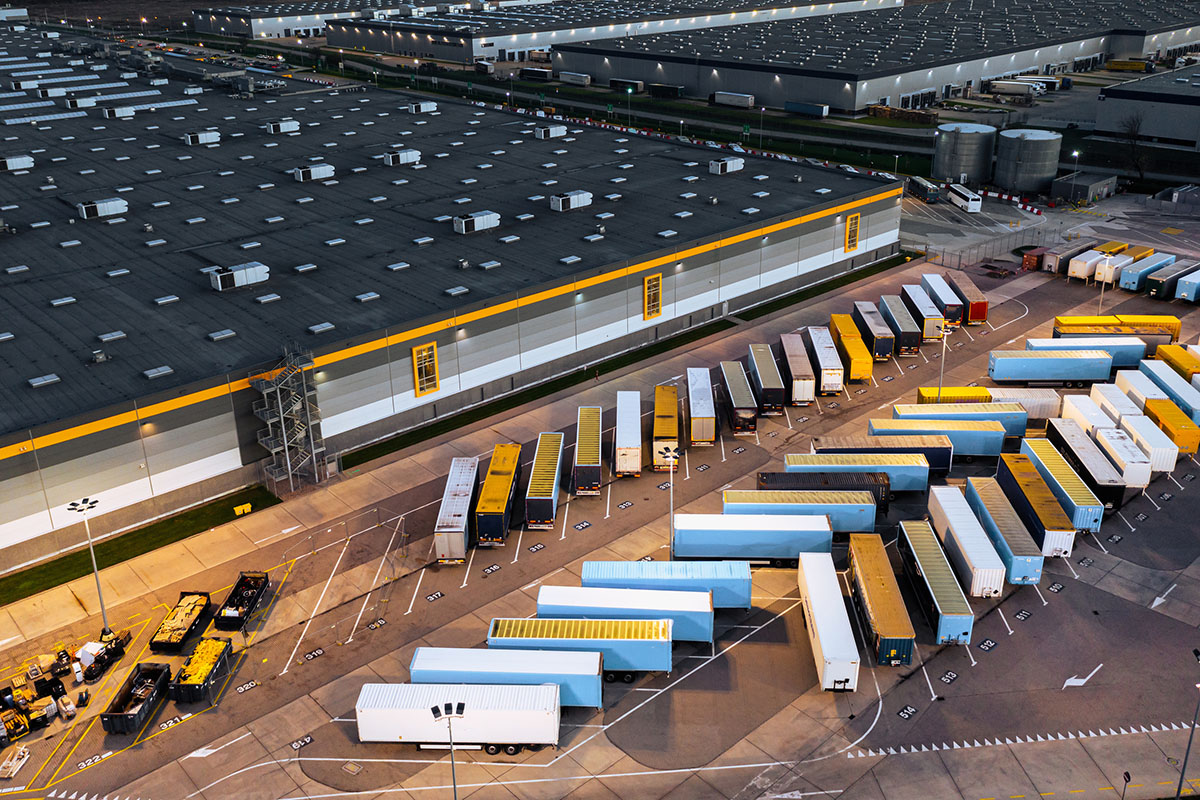
On paper, the freight industry is winning its fight against cargo theft. Incident counts have fallen for two straight quarters, and the headline numbers in some of the biggest hotspots are improving. Look at the money, though, and the picture flips. The loads that do get stolen are worth far more, and a growing share of them are handed over voluntarily at the dock to someone who looked, on every document, like the right carrier. Cargo crime has become an identity and data problem, and most fleets and shippers are still defending against the old version.
The second quarter numbers from Verisk CargoNet make the split plain. The firm logged 677 supply chain theft incidents across the United States and Canada, a 26% drop from 914 a year earlier. Estimated losses, meanwhile, rose to $304.6 million from $135.7 million, and the average value among thefts with a reported commodity value reached $564,009. Metal theft climbed to 80 incidents from 54, while food and beverage thefts fell. CargoNet vice president of operations Keith Lewis put it bluntly: lower incident volume should not be mistaken for lower risk.
The first quarter told the same story in a quieter voice. CargoNet counted 767 supply chain crime events, 5.3% fewer than a year earlier, according to Land Line. Lewis argued then that the anti-fraud tools the industry has deployed are working, and that they are forcing criminals to invest more in elaborate schemes. Fewer, larger, better planned heists is exactly what that investment looks like.
The losses are already running at a record pace. The FBI's Internet Crime Complaint Center put 2025 cargo theft losses at nearly $725 million, up 60% from 2024, with the average theft value rising 36% to $273,990. On Capitol Hill this month, trucking advocates cited an American Transportation Research Institute estimate that direct and indirect cargo theft losses run to $18 million a day, as reported by Transport Topics.
The category that refuses to shrink is the fictitious pickup, where a thief poses as the assigned carrier and drives away with the load. CargoNet counted 158 such incidents in the second quarter, down only slightly from 165, even as theft-classified events overall fell from 488 to 378. Overhaul's first quarter U.S. cargo theft report found deceptive pickup schemes up 31% year over year, in a quarter when total incidents fell for the first time since 2021. Overhaul chief executive Barry Conlon read the pattern as organized networks investing in fraud infrastructure.
The FBI has described how that infrastructure works. Criminals phish broker and carrier employees with spoofed links and malicious files, take over their accounts, post fake loads on load boards, and bid on real freight that they then double broker to drivers who have no idea they are part of a theft. Loads are cross-docked or transloaded to complicit drivers and resold. Every step runs on credentials and communications that look normal, which is why a dock clerk comparing a name on an email to a name on a rate confirmation will usually wave the truck through.
The paperwork at the gate is no longer a reliable check either. Identity verification firm Intellicheck warns that counterfeit commercial driver's licenses can now clear a quick visual inspection and even pass basic barcode scans. The weak point has moved from the trailer lock to the moment a shipper decides that the driver in front of them is who the paperwork says they are.
The most expensive loads are no longer being broken into. They are being released, on schedule, to a driver whose documents all checked out. Logistics Focus analysis
If theft is now a data problem, the defense is a data discipline. The FBI's own guidance is to independently verify shipment requests and pickups through a secondary channel before releasing any load, to treat familiar names and email addresses as unconfirmed until validated, and to document every pickup with photos of the driver, license, vehicle, plates and DOT and MC numbers. None of that is exotic. What makes it hard is doing it on every load, at peak volume, across shippers, brokers and carriers whose systems do not talk to each other.
That fragmentation is where fraud lives. A fictitious pickup succeeds when no one compares the carrier the broker booked, the truck that actually arrived, and where that truck goes next. Fleets and shippers that tie tracking, dispatch and gate records into one view can flag a load that leaves its planned route within minutes rather than discovering the loss when the consignee calls. Motive's Hamish Woodrow told Transport Topics last winter that cargo theft and fraud were entering 2026 from a structurally higher baseline, and a Motive survey found that 19% of overall fleet spend is lost to fraud or theft.
Washington is moving too, slowly. The Combating Organized Retail Crime Act, which would create a temporary crime coordination center within the Department of Homeland Security, is one of the measures trucking groups are pushing before the election recess, and its sponsor, Rep. David Joyce of Ohio, has called getting it across the finish line one of his top priorities. Legislation will help with prosecution. It will not stop tonight's fake pickup at a dock in Illinois, a state Overhaul found had jumped from 6% to 13% of national incidents in a single year.
The falling incident count is real, and it is partly a sign that the industry's defenses are working. But it has also pushed organized groups toward the schemes that are hardest to see and most expensive to suffer. The carriers, brokers and shippers that close the gap will be the ones that treat every pickup as an identity check and every load as a data point they can follow, from the booking to the dock to the delivery.


Guide
Spotting a stolen load in minutes depends on tracking you can trust. Motive ranks the platform capabilities that matter most, starting with real-time tracking accuracy, for fleets evaluating the systems that follow freight after it leaves the dock.
Download

Report
Fictitious pickups succeed in the gaps between GPS, video and dispatch records that never get compared. Lytx quantifies the data gaps that disconnected fleet systems create and offers a framework for calculating your own exposure.
Download

Guide
Fraud thrives when each partner works from a different version of the plan. Nulogy explains how brand owners and their external partners benefit from operating on the same real-time data, and why that goes further than simple information sharing.
Download
A new generation of AI tools promises to cut transportation costs by 15 to 30 percent through dynamic routing. We talked to the logistics teams who have been testing them for 18 months, and the results are more nuanced than the vendors admit.
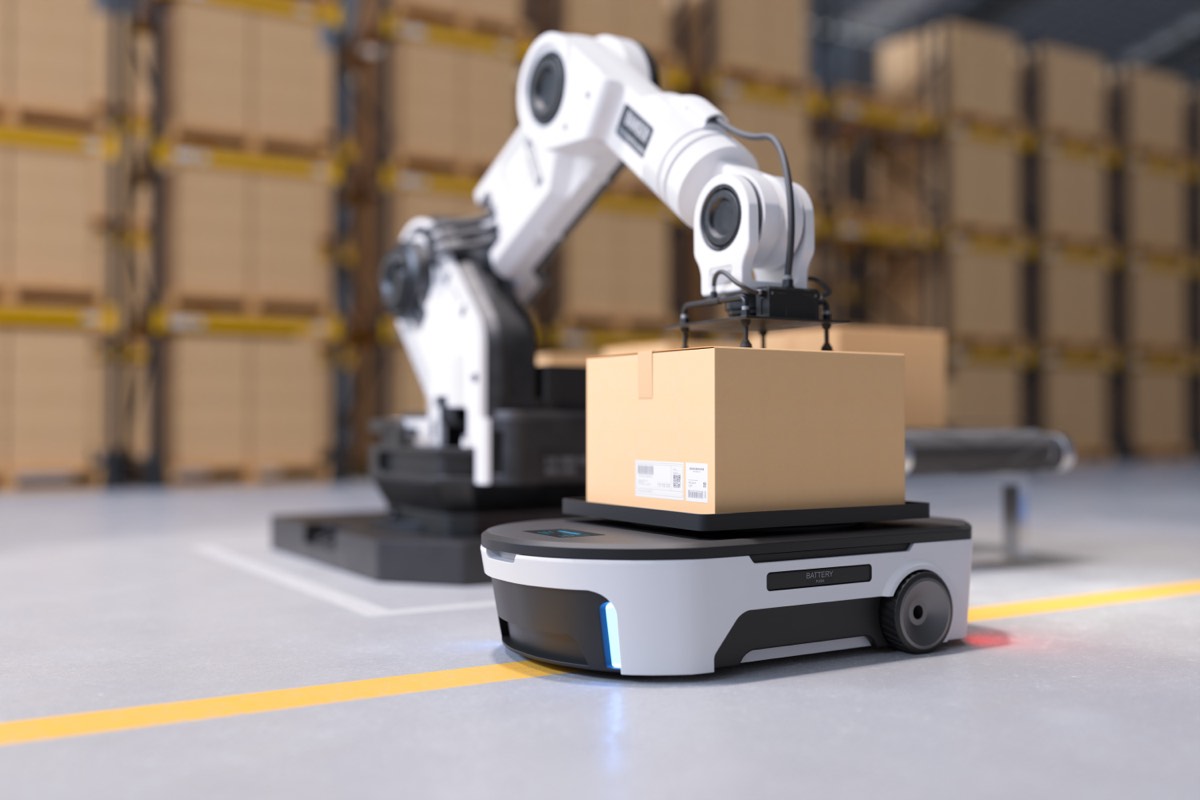
From autonomous mobile robots to goods-to-person systems, warehouse automation has moved from pilot to full production at hundreds of facilities. We put five leading platforms through a rigorous head-to-head evaluation.

Real-time digital replicas of physical supply chain networks are giving operations teams the kind of end-to-end visibility that was impossible five years ago. Here is how they work in practice and what implementation actually costs.
