U.S. manufacturers are ordering more, waiting longer and building precautionary stock, while shortages of oil-based inputs return and diesel sits above $6. The inventory buffer that protected plants this year is now being paid for twice, once in carrying cost and again in freight.
Key Takeaways
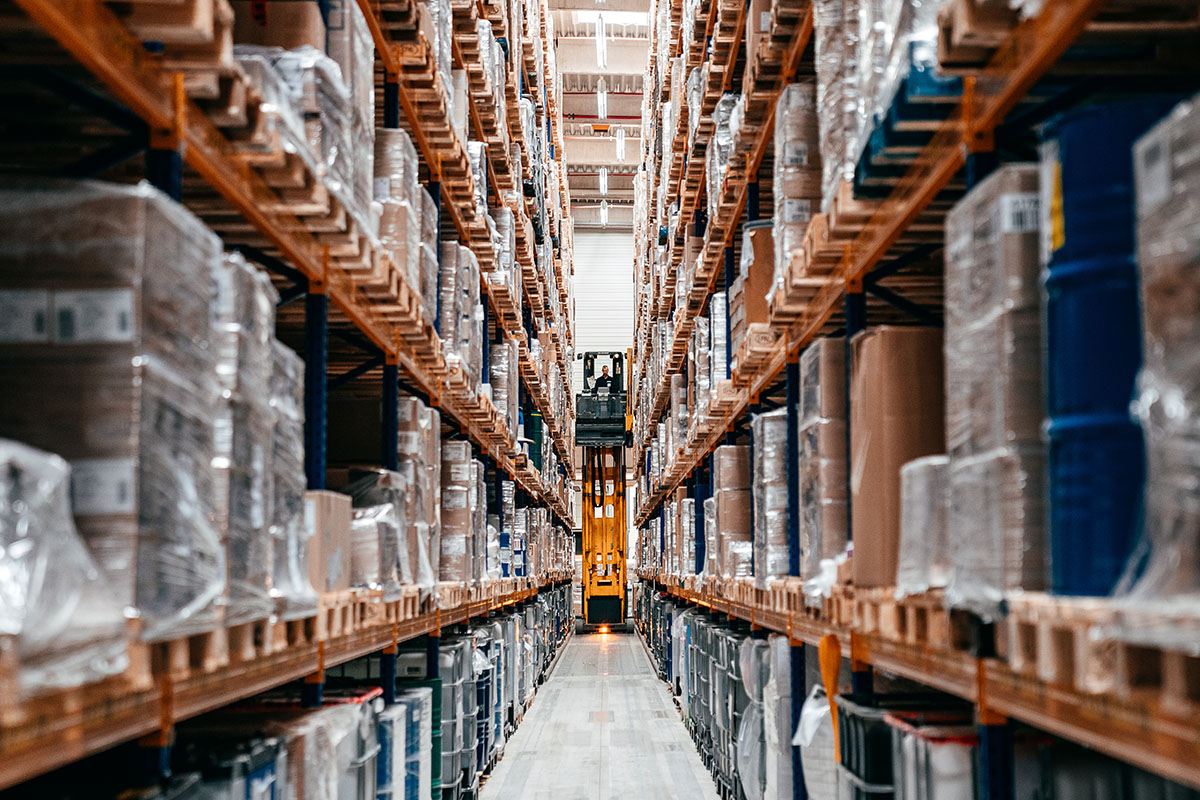
For most of this year the inventory story ran one way. Buyers stockpiled early against tariffs and shortages, then spent the summer working that buffer down. October's data says the cycle has turned again. U.S. factories are ordering more, their suppliers are taking longer to deliver than at any point in four years, and plants are rebuilding input stocks as insurance. The difference this time is the freight bill. Diesel is above $6 a gallon and transport costs are rising again, so every pallet bought early to beat a delay now costs more to move and more to hold.
S&P Global's flash U.S. manufacturing PMI rose to 56.0 in October from 55.9, a 53-month high and the strongest improvement in operating conditions since May 2022, TheStreet reported from the October 23 release. Demand is not the only thing behind that number. Supplier delivery times lengthened by the most since July 2022, with survey respondents citing material shortages, low stock levels, overloaded suppliers and labor shortages. In a PMI, slower deliveries actually lift the headline index, so part of what looks like strength is strain showing.
Chris Williamson, chief business economist at S&P Global Market Intelligence, said supply chain bottlenecks had intensified and that order backlogs were growing. Manufacturers responded the way they did in 2021 and 2022: input inventories rose at the fastest rate in four months, and part of the rise in new orders reflected precautionary stock building. Factory payrolls grew at the fastest pace since March 2012, a sign that plants expect the volume to last.
Costs moved with it. Input prices rose at the fastest pace since November 2022, excluding only September, and respondents commonly cited oil-based inputs, energy, fuel and freight rates as the reasons. Steel, aluminum and copper also rose, often because of tariffs or shortages. Manufacturers' selling prices rose at the fastest pace since July 2022, so those costs are already being passed on.
The October flash data builds on what the GEP Global Supply Chain Volatility Index showed for September. Global input purchasing growth rose to a four-month high, close to its 2026 peak, with stronger buying in the U.S., Germany, South Korea and Taiwan. GEP's North America index rose to 1.13 from 0.87, its highest since June, and Asia rose to 1.49 from 1.24. Europe moved the other way, falling to 0.66 from 1.27.
Two details in the GEP release matter most for logistics teams. Its indicator of items in short supply rose in September for the first time since May, with a marked rise in shortages of oil and oil-based products. And transportation cost inflation intensified as oil prices climbed, the first time since April that global logistics prices rose on average. Safety stockpiling, by GEP's measure, continued to ease from its June peak but remains historically high, so many buyers are already carrying a buffer and adding to it at higher cost.
John Piatek, vice president of consulting at GEP, framed the shift directly: "the priority shifts from simply protecting inventory to securing supply and controlling costs."
Precautionary stock has to travel, and it is traveling on expensive fuel. The U.S. average on-highway diesel price was $6.352 a gallon in the week of October 26, up 7.6 cents from the prior week and $2.634 above a year earlier, according to the U.S. Energy Information Administration. The Midwest, where much of the country's manufacturing sits, averaged $6.480 after a 12.8-cent weekly rise. California averaged $8.155.
That changes the math behind early buying. In 2021, the cost of a stockout dwarfed the cost of moving extra material. Now the extra material carries a fuel-driven freight premium on the way in, a carrying cost once it lands, and a real risk that it is the wrong mix if demand cools. Plants that respond to longer lead times by ordering more of everything, earlier, will feel all three. Plants that know which inputs are actually short, and which suppliers are actually late, can buffer only where it pays.
Longer lead times and higher freight costs are arriving together. These steps keep the response targeted rather than reflexive.
The October data does not describe a crisis on the scale of 2021. It describes the early stage of one pattern that played out then: rising demand, slower suppliers and buyers hedging with stock. What is different is the price of freight. The companies that handle this well will be the ones that buffer precisely, because this time the safety stock costs more to deliver.


Guide
With supplier delays at a four-year high, re-sourcing the inputs that keep slipping has to happen faster than a quarterly review. GEP sets out how to judge agentic AI tools for sourcing decisions and supplier negotiations before buying.
Download

Guide
Overloaded suppliers serve the customers who give them the clearest signal first. Nulogy shows how brand owners and co-packers replace manual status updates with shared, real-time schedules when lead times stretch.
Download

Report
Precautionary stock now rides on diesel that costs $2.63 more a gallon than last year. Motive benchmarks fuel cost per mile across fleet types and shows the routing and driver behavior changes that bring it down.
Download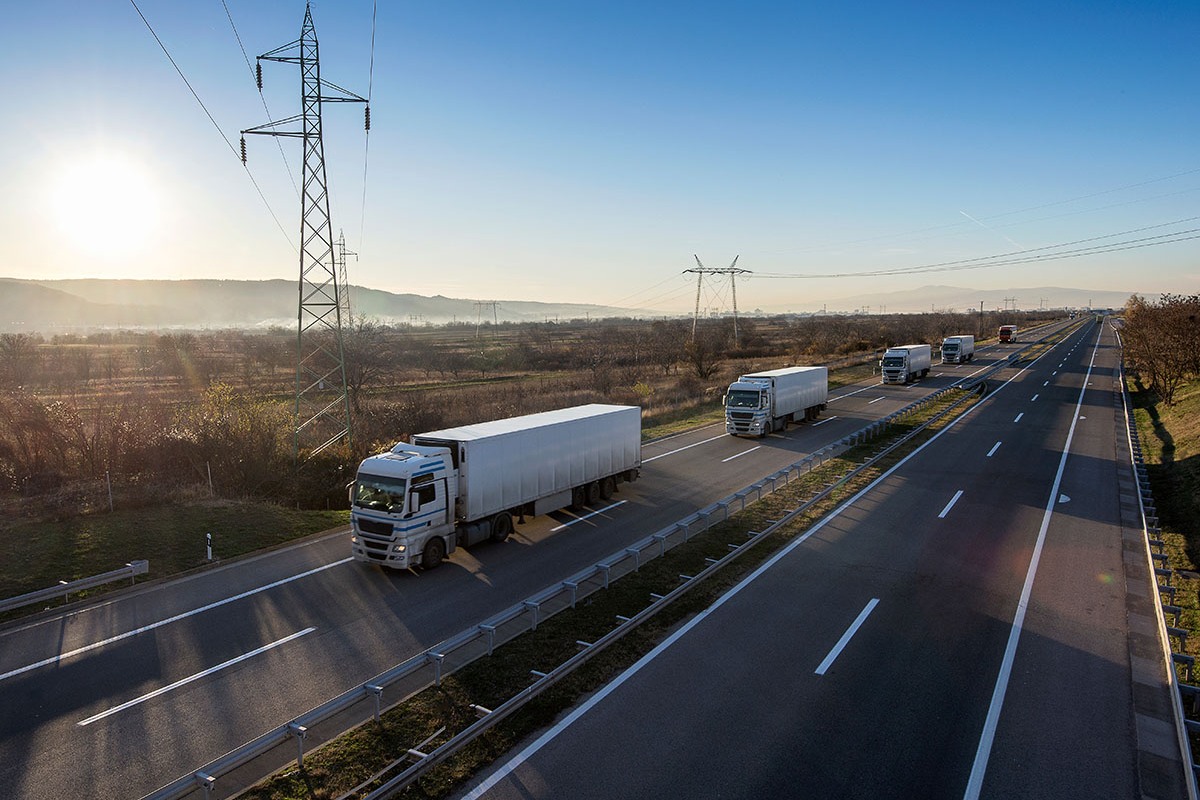
Mexican truckers protested at 38 locations in 19 states on October 26, by the government's count, before talks were agreed. It was the third major trucking protest in about a year, on the lanes that carry the largest share of U.S. trade.
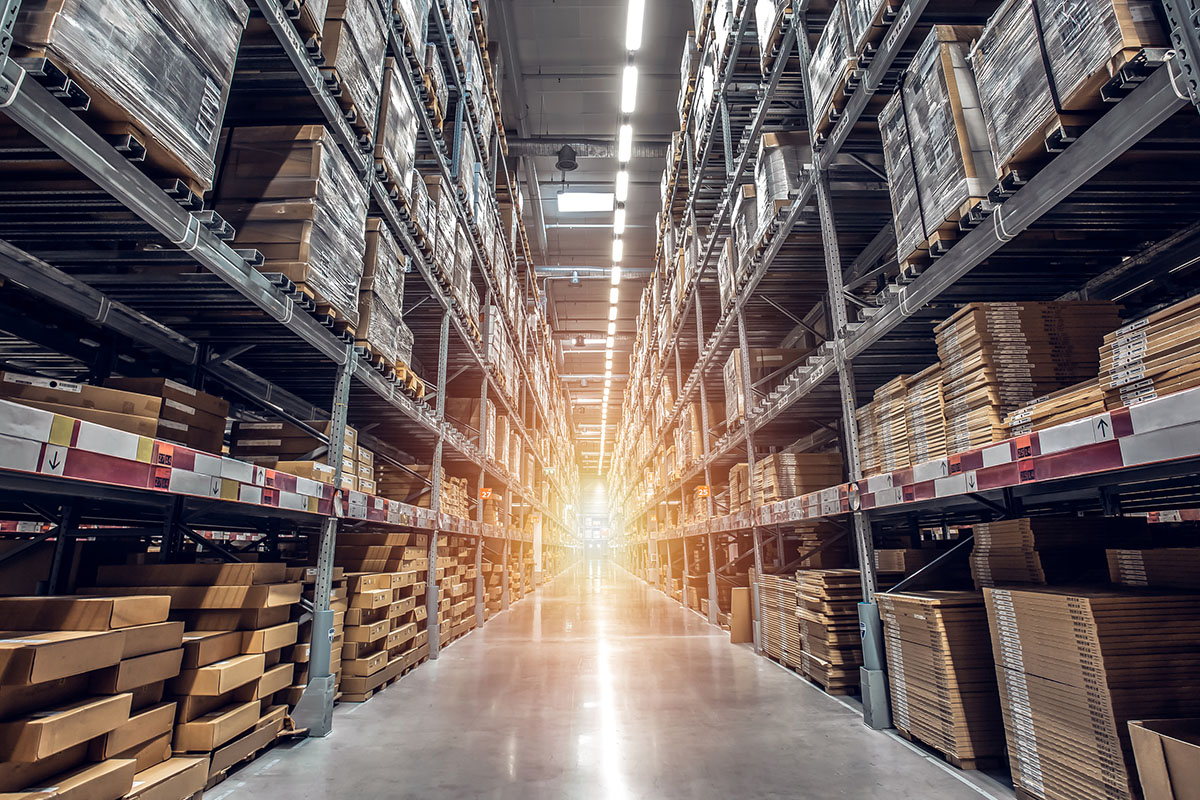
Warehousing capacity fell 14.2 points to 39.3 in September, its fastest contraction since March 2022. Upstream firms holding holiday stock are absorbing most of the squeeze, and smaller firms are losing room fastest.
