A September survey of distribution and logistics operations leaders finds 91% signed off on automation their teams were not prepared to maintain. EY's data shows the same gap one level up: nearly every supply chain is transforming, and almost none has made it stick.
Key Takeaways
Logistics has never had an easier time buying technology. Robots, sortation lines, sensors, planning software and now AI agents all arrive with business cases attached, and the approvals keep coming. Two surveys published on the same September day suggest the industry is getting the purchase right and the follow-through wrong. The equipment is going in. The people, processes and data needed to run it are lagging behind, and the operators approving the spend mostly know it.
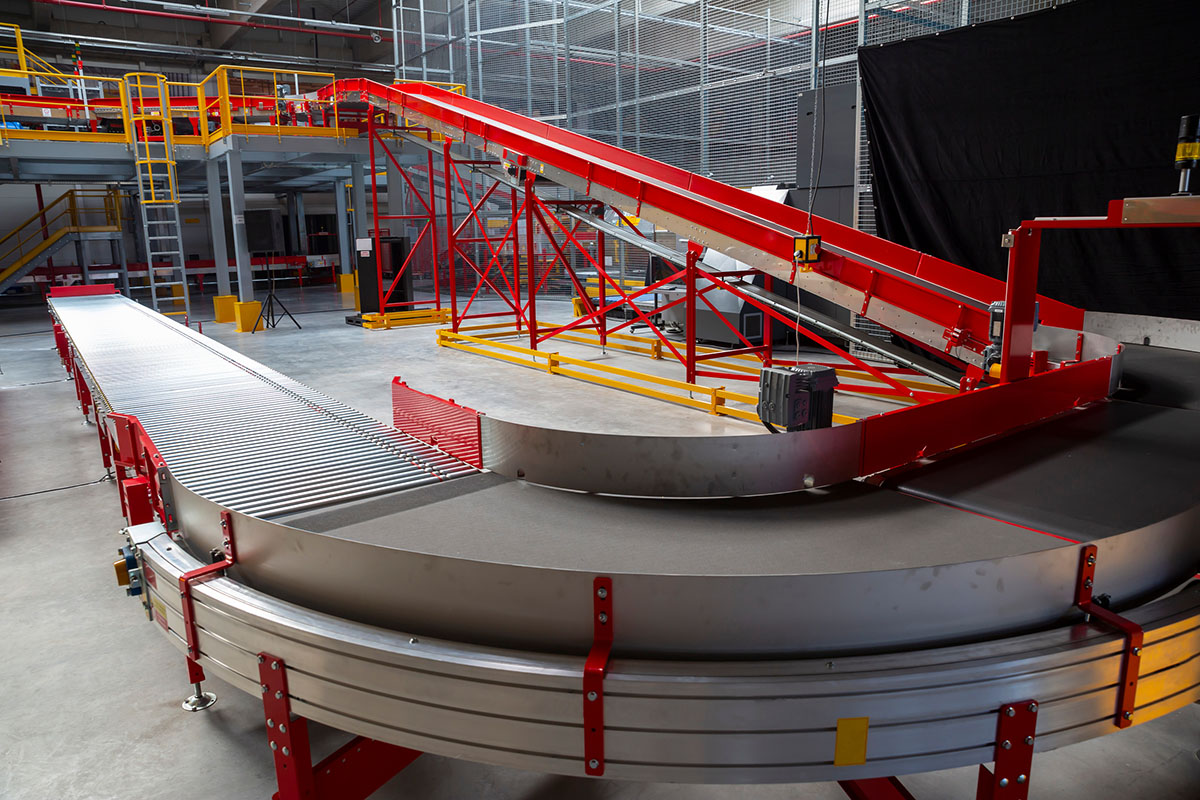
The sharpest number comes from a survey released September 16 by MultiSensor AI. Censuswide polled 152 reliability and maintenance practitioners and VP-level operations leaders in ecommerce distribution and logistics. Of those, 91% said they had approved automation investments knowing their teams were not fully prepared to maintain them, and 49% said it had happened more than once. As MultiSensor AI chief executive Asim Akram put it, 91% of the leaders surveyed "knew their team was not ready" and went ahead anyway.
The consequences show up in the maintenance record. Some 99% of respondents said they were confident their facility could catch early asset degradation, yet 82% had dismissed a sensor alert that turned out to be a real failure, and 83% had experienced failures where warning signs were missed or deprioritized. Only 10% continuously monitor critical assets 24/7, while 66% check on scheduled intervals. Nearly all, 98%, run at least one asset that is a single point of failure, and 80% logged six or more unplanned downtime events in the past twelve months.
The money at stake is not small. In the same survey, 95% of VPs said their downtime costs would match or exceed their annual automation investment, and 36% reported more unplanned downtime than three years ago. Yet 64% do not track uptime at the executive or board level, and 35% named a lean workforce as their biggest barrier to keeping equipment running. One caution: this is a vendor-commissioned survey of 152 people, so read it as a strong signal rather than a census. The signal is consistent, though. Facilities are adding machines faster than they are adding the capacity to look after them.
The executive suite tells a similar story. EY's latest supply chain research, analyzed by Futurum on September 16, surveyed more than 850 senior executives across 24 markets through Oxford Economics. 94% said they are transforming the supply chain function. Only 9% have embedded that transformation into day-to-day operations. Only 37% report measurable AI impact in supply chain and procurement, and just 12% link that impact to financial reporting reviewed by senior management.
The weak point is speed between signal and action. Only 20% of EY respondents report significant improvement in the time it takes to move from a signal to execution, and just 14% strongly agree that their decisions are ultimately acted upon fast. 71% of companies operate with integrated business planning, but only 8% say it enables real-time, signal-driven replanning. And only 6% say their suppliers can receive, interpret and act on demand and supply signals close to real time. A planning system that updates every hour does little good when the partner network still responds by email and spreadsheet.
The machines are arriving on schedule. The capacity to run them, maintain them and act on what they report is not on the same timeline. Logistics Focus analysis
The next wave of approvals is already forming. PYMNTS reported on September 21 that IDC expects 45% of G2000 companies to adopt agentic AI-driven supply chain orchestration by 2029, with agents that reroute shipments, reallocate stock and renegotiate commitments without waiting for a human. IDC's Stephanie Krishnan was blunt about the precondition: "Data readiness is not a preparation step. It is the prerequisite." The same piece cites Harvard Business Review's view that the barriers to agentic procurement are organizational, not technological.
Freight operators already know where those barriers sit. In Ortec's survey of 400 North American transportation and logistics executives, published in January, 32% named high integration costs with existing systems as the main obstacle to agentic AI, 26% cited a lack of model explainability and 22% pointed to poor data quality. An agent that acts on a dismissed sensor alert, a stale inventory record or a supplier who cannot see the signal will simply make the wrong decision faster. The readiness gap that MultiSensor found on the warehouse floor becomes far more expensive when software, rather than a supervisor, is the one acting.
None of this argues for buying less technology. It argues for buying it the way a careful operator buys a truck: with the driver, the maintenance schedule and the route already planned. The facilities and supply chains that pull ahead over the next three years will not be the ones with the most automation. They will be the ones that can keep it running and act on what it tells them.


Guide
The next approval on the table is likely an AI agent. GEP gives procurement and supply chain leaders evaluation criteria, a capability maturity model and the vendor questions to ask before committing to a platform.
Download

Whitepaper
Only 6% of executives say suppliers can act on signals in near real time. Nulogy explains how shop floor visibility and brand owner collaboration tools close that gap across co-packer and contract manufacturer networks.
Download

Guide
Collecting data is not the same as acting on it. Lytx sets out five steps, from choosing the right performance metrics to connecting field data with the back-office reporting that actually informs management decisions.
Download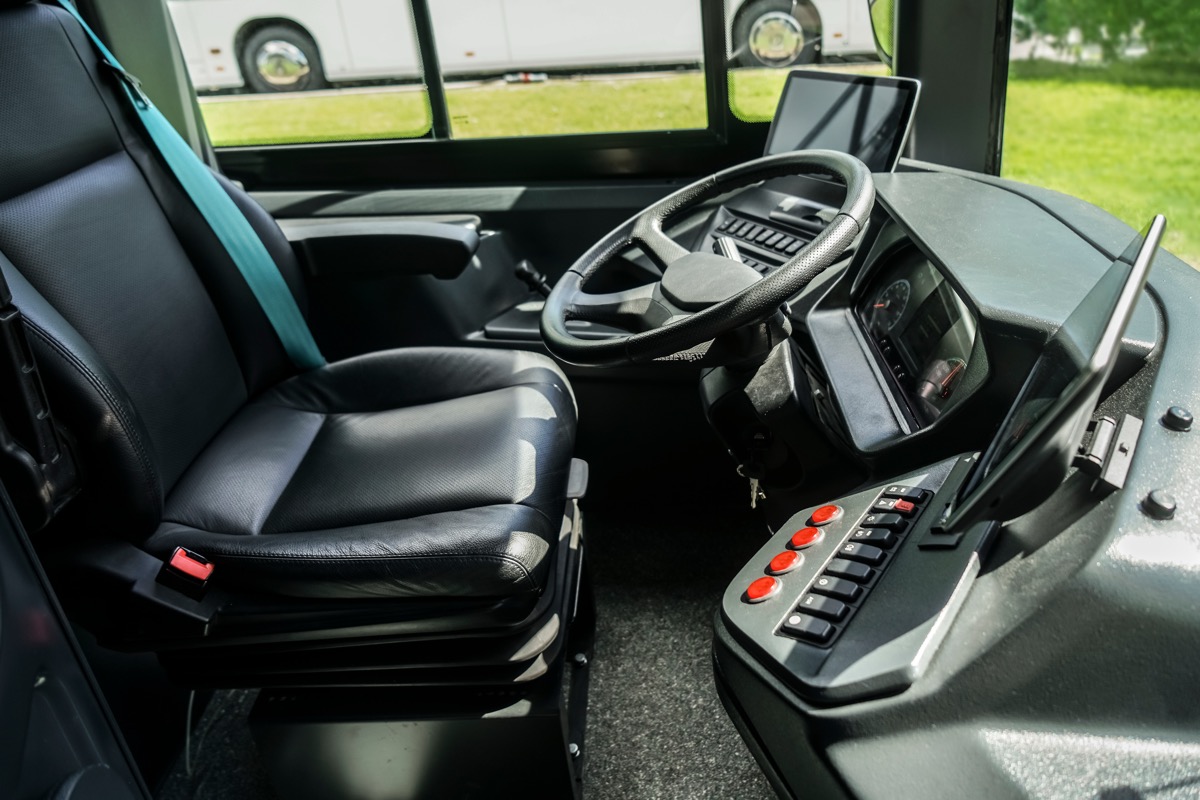
A telematics report covering 245 fleets finds construction fleets monitor 92% of their vehicles yet log more than five times the severe speeding of transportation and warehousing fleets. Only 26% of fleets use the data to assign driver training.
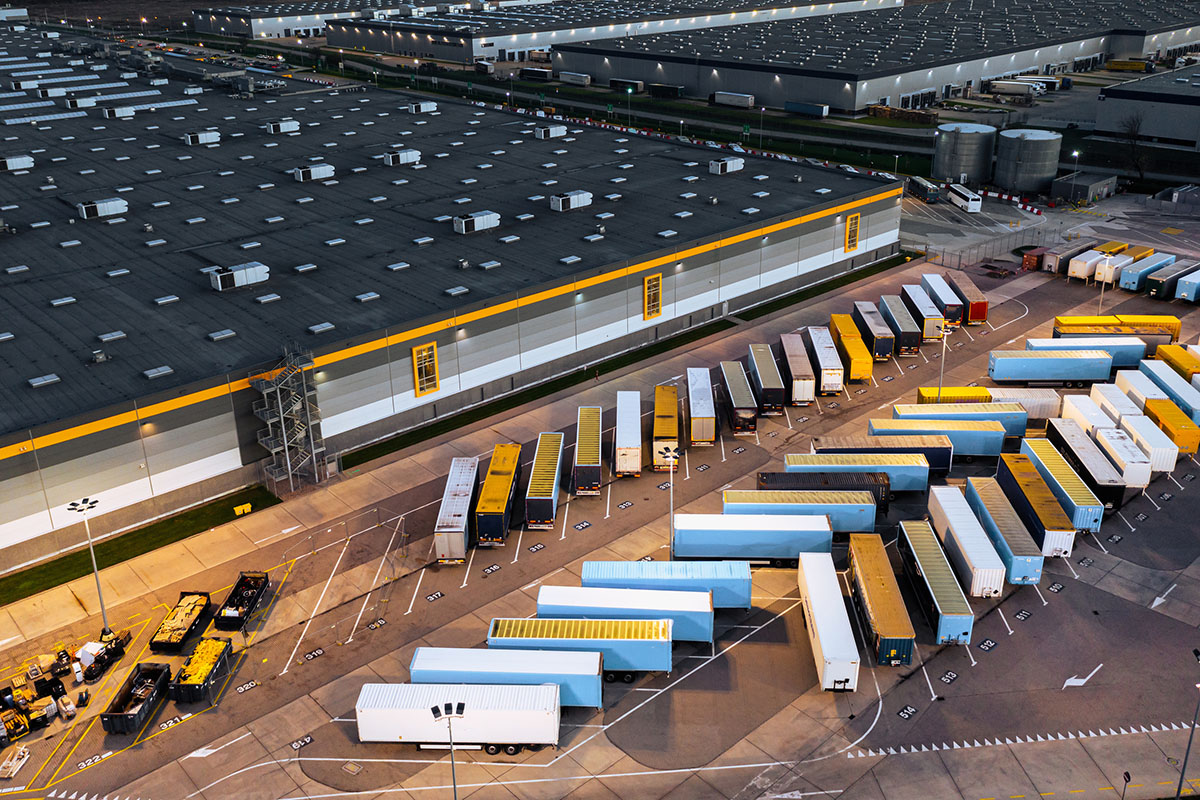
Verisk CargoNet logged 26% fewer supply chain theft incidents in the second quarter, yet losses more than doubled to $304.6 million. Thieves are trading crowbars for fake credentials, and the defenses have to follow.

Real-time digital replicas of physical supply chain networks are giving operations teams the kind of end-to-end visibility that was impossible five years ago. Here is how they work in practice and what implementation actually costs.
