A new telematics report covering 245 fleets finds that owning the system is not what separates safe fleets from risky ones. Only 26% use the data to assign driver training, and the fleets that do report fewer crashes while courtrooms increasingly ask for the footage.
Key Takeaways
Nobody can accuse the trucking and fleet industry of ignoring telematics. Tracking systems now ride in nearly every vehicle, and most fleet managers will tell you that safety is the reason they bought them. The newest data suggests that buying the system and using it are two very different decisions. A fleet can watch 92% of its vehicles and still see drivers speeding at five times the rate of a peer that watches fewer. The difference is what happens after the alert fires.
The finding comes from the first-half 2026 telematics report from SambaSafety, summarized by Work Truck on October 1. The dataset covers 245 fleets, more than 95,000 drivers and roughly 500 million miles. Construction fleets stood out: they reported monitoring about 92% of their vehicles, and 86% cited improving safety as a reason for using telematics. Even so, they recorded 254 severe speeding events per 100,000 miles, more than five times the 48 logged by transportation and warehousing fleets. Distracted driving told the same story, at 187 events per 100,000 miles for construction against 76 for transportation and warehousing.
One caution belongs here. The sharpest contrast in the report is a construction fleet comparison, not a long-haul freight one, so it should not be read as a verdict on carriers. What it does show is how the gap opens. Seeing a problem and fixing it are separate steps, and the report places the hurdle at the second one: acting on the information, rather than adopting the technology, is where fleets fall short.
The numbers on follow-through are thin. Only 26% of fleets in the report use telematics to drive training, and among construction fleets just 23% use it to assign training at all. One-third of construction drivers receive no training, and those who do average 4.5 assignments a year. Speeding made up 73% of every recorded event, and severe speeding clustered between 6 a.m. and noon at 41%, followed by 23% in the afternoon, 19% in the evening and 17% overnight. The pattern is predictable enough to coach.
The payoff for closing the loop shows up in the same report. Of the fleets that pair telematics with training, 78% reported fewer crashes and 89% reported improved safety. Those are self-reported outcomes, not a controlled trial, so treat them as direction rather than proof. But the direction is consistent: the dashboard alone does not change behavior, and the conversation that follows the dashboard does.
A fleet that can see every mile and coach none of them has bought a very expensive mirror. Logistics Focus analysis
The case for acting on the data is no longer only about crash rates. In a recent FreightWaves report on fleet liability, Zonar CEO Charles Kriete said that, in his words, every day brings subpoenas for video data in discovery. The same piece notes that fewer than one in three fleets use forward-facing or driver-facing cameras. Kriete argued that documentary evidence from video and telematics now shapes liability exposure more than insurance limits or fleet size does.
The stakes behind that shift are large. Writing in FleetOwner, NationaLease executive Jane Clark noted that roughly one in four auto accident trials ending in a verdict of $10 million or more involves a commercial trucking carrier, while the federal minimum insurance requirement of $750,000 has not changed since 1985. A fleet that holds years of speeding alerts with no record of coaching is not showing diligence. It is showing it knew, and the data will say so in court.
Telematics adoption is close to a solved problem. The unsolved part is the human one: a supervisor, a driver and a conversation about the last 100 miles. The fleets that treat the alert as the start of a process, rather than the end of one, are the ones whose data helps them on the road and in front of a jury.

Guide
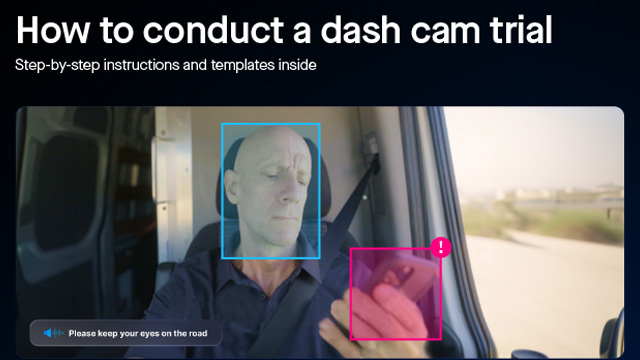
Fewer than one in three fleets run cameras, and a rushed rollout is why many stall. Motive walks through vendor criteria, driver communication and the success metrics that turn a pilot into a deployment decision.
Download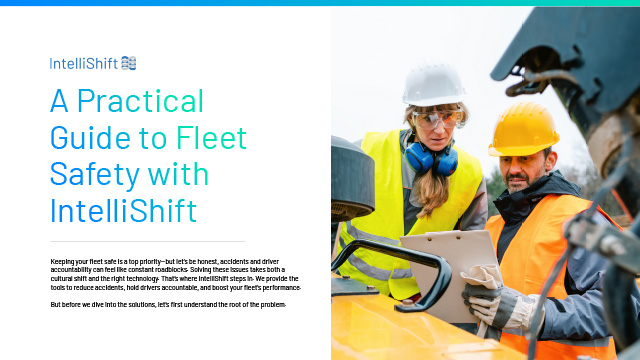

Guide
Telematics data only reduces risk when a program acts on it. IntelliShift lays out a step-by-step framework for building the safety process, and the data infrastructure behind it, that turns alerts into fewer incidents.
Download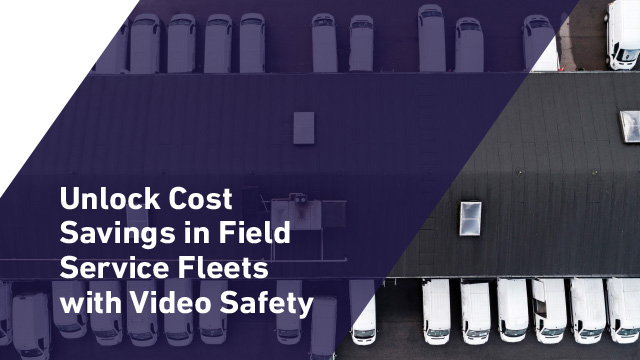

Guide
If footage is now evidence as well as coaching material, the financial case matters. Lytx shows real cost reduction data across insurance, fuel, maintenance and accident-related expenses.
Download
A new generation of AI tools promises to cut transportation costs by 15 to 30 percent through dynamic routing. We talked to the logistics teams who have been testing them for 18 months, and the results are more nuanced than the vendors admit.
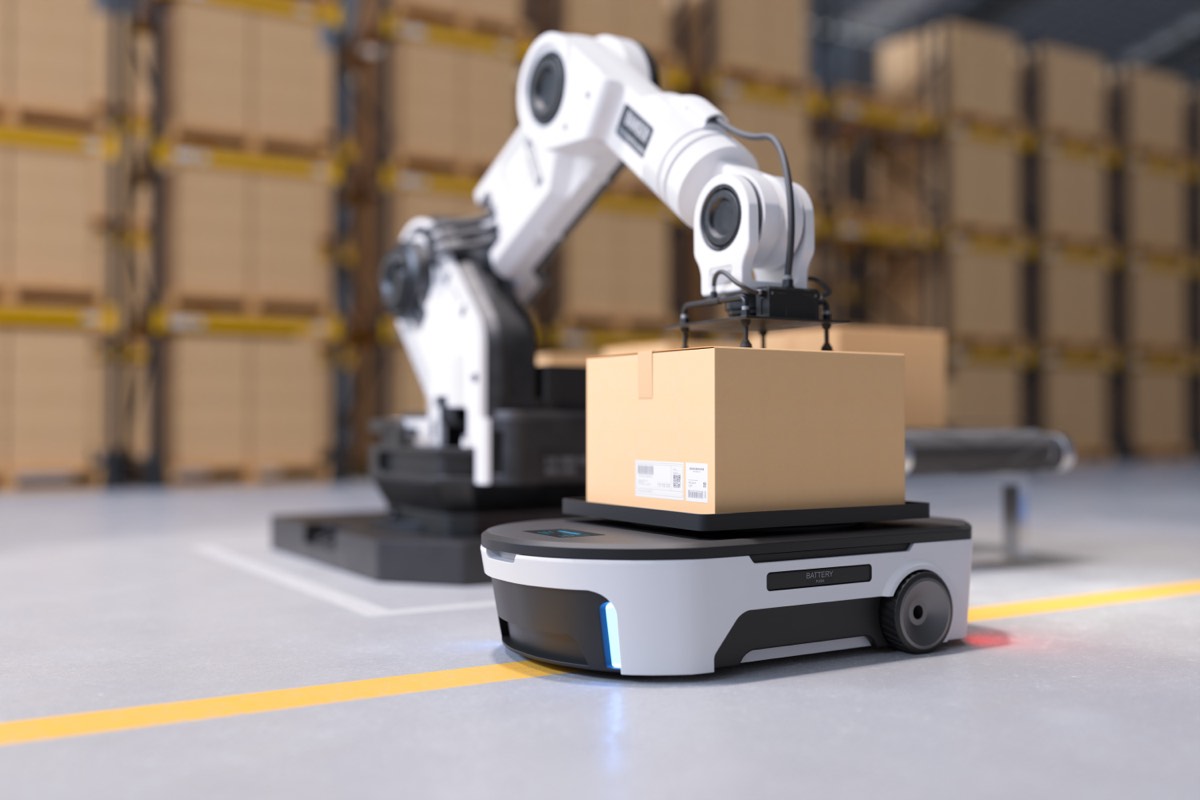
From autonomous mobile robots to goods-to-person systems, warehouse automation has moved from pilot to full production at hundreds of facilities. We put five leading platforms through a rigorous head-to-head evaluation.

Real-time digital replicas of physical supply chain networks are giving operations teams the kind of end-to-end visibility that was impossible five years ago. Here is how they work in practice and what implementation actually costs.
