The Insurance Institute for Highway Safety has started rating the front crash prevention on the cargo vans and heavy pickups that fleets actually buy. Most of them scored marginal or poor, and two of the most familiar fleet vans do not offer automatic emergency braking at all.
Key Takeaways
Fleet buyers have long had crash test scores for the sedans and SUVs in their pool cars, and almost nothing comparable for the vans and work pickups that carry parcels, parts and technicians every day. That gap has started to close, and the first results are not flattering. When the Insurance Institute for Highway Safety put the front crash prevention systems of 11 commercial vehicles through the same tests it uses on passenger cars, only two came out with a vehicle-to-vehicle rating above marginal.
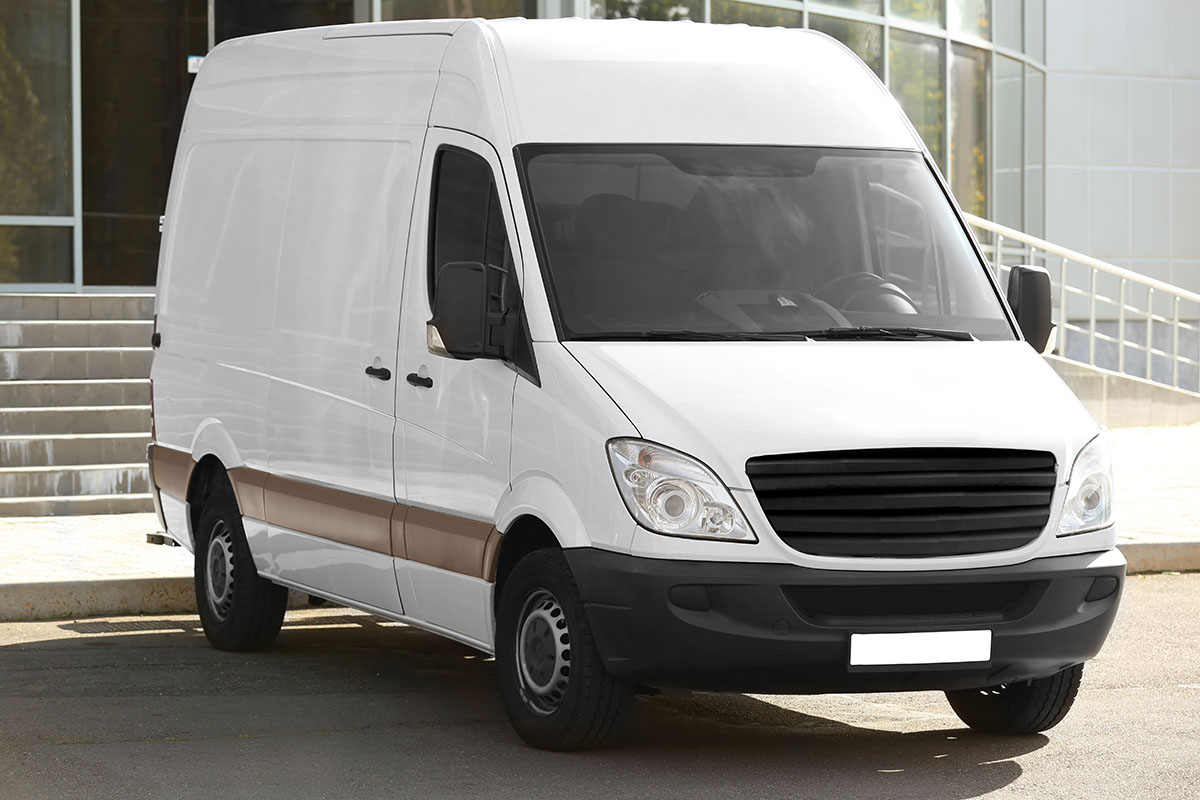
In its first crash avoidance ratings for commercial vehicles, IIHS tested seven cargo vans and four Class 3 pickups on vehicle-to-vehicle and pedestrian front crash prevention. In the vehicle-to-vehicle test, seven of the 11 were rated poor and two marginal. The Mercedes-Benz Sprinter 2500 was the only vehicle rated good, and the Chevrolet BrightDrop 400 electric van earned acceptable. All four pickups, the Chevrolet Silverado 3500HD, Ford F-350, GMC Sierra 3500 and Ram 3500, rated poor or marginal.
The worst results came from two vans that are fixtures of fleet yards. The Chevrolet Express 2500 and GMC Savana 2500 were rated poor in both tests because neither offers automatic emergency braking, only an optional forward collision warning. The Ford Transit T250 and Ram ProMaster 2500 rated poor against other vehicles and marginal for pedestrians. "These results are a wake-up call for commercial vehicle makers," said IIHS President David Harkey. "Front crash prevention is especially important for these larger, heavier vans and trucks."
The stakes are not small. IIHS says 6,215 people were killed in 2024 in crashes involving heavy- or medium-duty vehicles or light vans, accounting for 16% of all roadway fatalities in the United States.
The details matter for anyone writing a vehicle spec. Motorcycles were the biggest challenge in the vehicle-to-vehicle test: several systems neither warned the driver nor slowed the vehicle in most motorcycle trials. Some vehicles slowed effectively at most speeds but were downgraded because their warnings came too late. Pedestrian results were better overall, with the BrightDrop 400 and the Rivian RCV-Delivery 500 both rated good, but the weaker systems often failed to slow enough for an adult pedestrian at night, and some did substantially worse on low beams than high beams.
Vehicle shape plays a role too. IIHS found that several vehicles, including the F-350 and Ram 3500, struggled more with a child dummy in daylight than with an adult at night. It suggests the shorter height of a child, the tall front ends of these trucks and sensors mounted near the rearview mirror are factors, noting that in some trials the child was detected at a distance and then "disappeared" as the vehicle closed in.
A fleet that buys on price and payload alone may be choosing between a van that brakes for the car ahead and one that cannot brake for it at all. Logistics Focus analysis
There is also a caveat that applies to every fleet. According to Automotive Fleet, IIHS Vice President of Vehicle Research David Kidd noted that automatic braking was evaluated with vehicles unloaded or, in some cases, as incomplete builds, and that heavy loads and upfits may affect performance. A van that scores acceptable on the test track may stop differently once it carries shelving, ladders and a full day of freight. Kidd also put a price on the problem: an on-the-job crash costs employers more than $55,000 on average, and considerably more when someone is injured or killed.
IIHS is not stopping at this first round. It plans to keep evaluating Class 3 commercial vehicles through 2027, adding headlight and rear automatic braking assessments, and eventually to extend testing to Class 4 to 6 trucks. At the Fleet Forward Conference, Harkey said, "We are filling a gap that we see right now in safety in the commercial vehicle space," and described a planned return-on-investment calculator and insurance claims comparisons by vehicle class and model.
Safety consultants want those numbers in procurement. During a fleet manager visit to the IIHS Research Center in Ruckersville, Virginia, on October 20, Eric Richardson of EBR Safety Solutions said, as Automotive Fleet reported, "We need to encourage the people who make fleet purchasing decisions to factor in IIHS ratings." The institute is funded by insurers rather than automakers and buys its test vehicles from dealer lots, and it is also examining intelligent speed assistance and systems that address distracted and impaired driving. Each of those could show up in future ratings, and from there in insurer conversations.
The first commercial ratings cover only 11 vehicles, and IIHS tested them in conditions that do not match a loaded delivery route. But they give fleet buyers something they did not have before: an independent, side-by-side view of which work vehicles can stop on their own. Last-mile and service fleets that use it now will spend the next replacement cycle buying safer vehicles, rather than discovering the gap in a claims file.

Guide
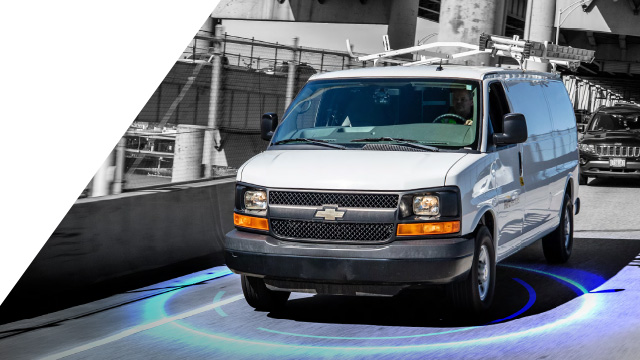
Most of the vans and pickups IIHS rated are field service workhorses, and their weak braking scores leave more of the safety burden on fleet practice. Lytx gathers six strategies from fleet professionals for improving safety performance and cost in those fleets.
Download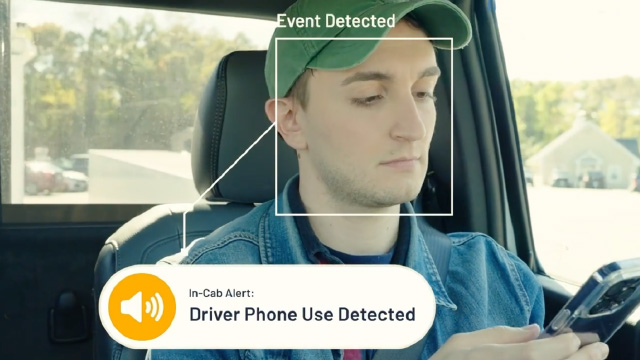

Guide
Specifying a van with working automatic braking is a procurement, maintenance and safety decision at once. IntelliShift shows how fleets break down the silos between those teams so vehicle choices and incident data inform each other.
Download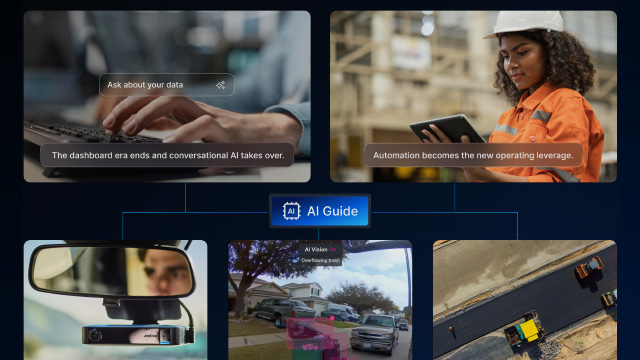

Guide
Where factory crash avoidance falls short, fleets lean harder on driver behavior. Motive's guide explains how AI driver safety scoring works and the readiness factors that decide whether it delivers on its promise.
Download
Consumer demand for same-day and next-hour delivery has grown faster than carrier infrastructure can support. New research reveals the gap, who bears the cost, and which networks are closest to closing it.

With fuel surcharges, labor costs, and customer expectations all moving in the wrong direction, last-mile economics are under severe pressure. A handful of carriers have found a better model.
