Third-quarter earnings calls show the same fuel and freight inflation landing very differently depending on how far a company ships and whose trucks it relies on. Automakers are absorbing it, railroads are winning business from it, and carriers that own their capacity are pulling miles back in-house.
Key Takeaways
Most freight cost stories treat inflation as a single bill that everyone pays. The third-quarter earnings season suggests otherwise. The same diesel prices and truckload rates that are squeezing manufacturers are handing railroads new volume, giving some refiners a pricing edge and pushing carriers to own more of the miles they once bought. What separates the winners from the losers is not how much fuel costs. It is how far a company ships, which transport networks it controls and whether its competitors face an even steeper freight bill.
Comments from seven executives at Ford, Union Pacific, XPO and Valero, compiled by FreightWaves on November 10, show how uneven the impact has become. At Ford, Chief Executive Jim Farley said the company expects "commodities, memory and logistics costs to represent a year-over-year headwind of about $2 billion." The figure blends several expense categories, and executives said growth in software services and parts was helping offset it. Chief Financial Officer Sherry Ann House drew a careful line: higher fuel prices are hitting freight and energy costs, but "we are not seeing it impact customer demand for trucks and fleet vehicles at this point."
The structural problem for manufacturers is that freight is not one cost but many. Automotive parts can cross borders repeatedly before final assembly, so a fuel increase is paid at several stages before a finished vehicle ever ships. A network built around multiple handoffs between suppliers, contract manufacturers and assembly plants multiplies its exposure every time the price of a mile goes up.
That price is still climbing. As of November 9, the FreightWaves SONAR Tender Volume Index had risen to 11,600 from just under 11,000 on October 22, and the Outbound Tender Rejection Index held at 12.95%, according to a SONAR data review. Van spot rates reached $3.49 a mile, while the van contract linehaul rate hit $2.85, a 52-week high. LTL cost per hundredweight rose from $46.78 in August to $48.98 in October. Rising spot and contract rates together suggest this is not a short-lived spike.
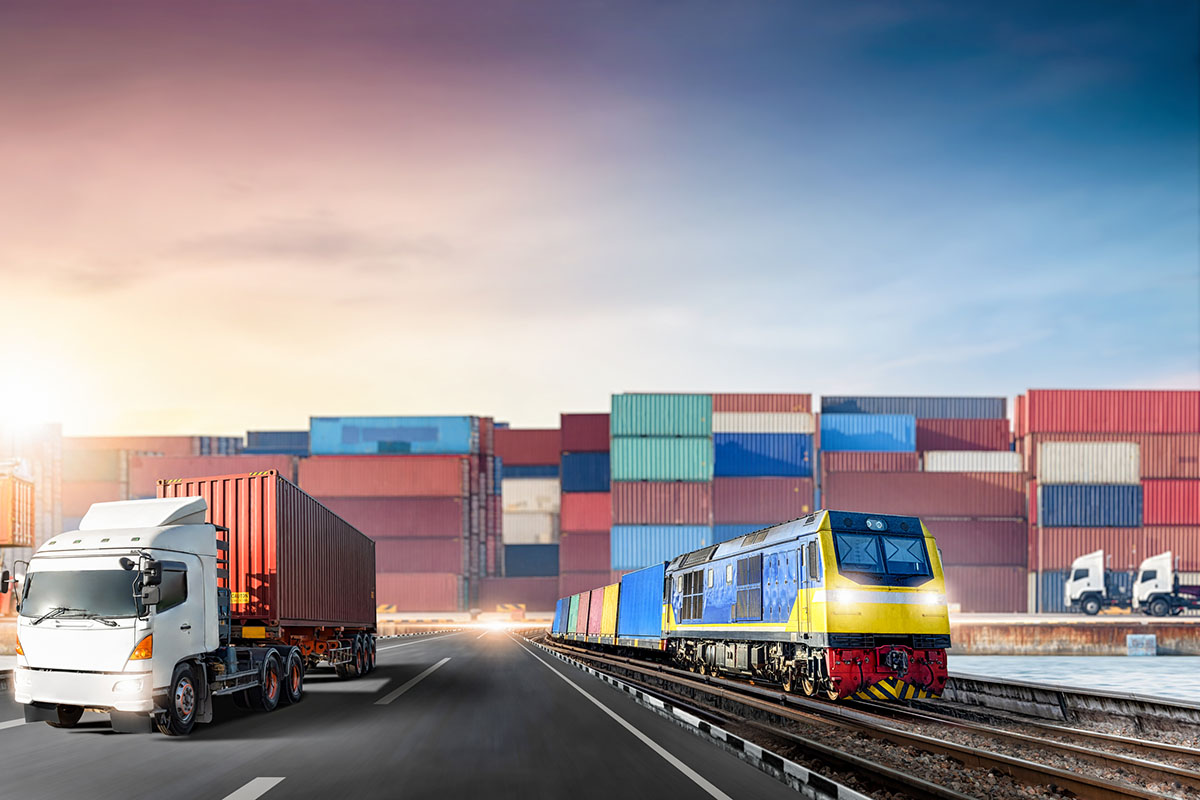
Union Pacific Chief Executive Jim Vena described the same pressure as an opening. "Railroads are much more efficient. It costs us way less per ton to move products across the U.S. So when fuel prices go up, it's naturally an advantage," he told investors. The railroad is not immune: fuel hurt its third-quarter operating ratio by 140 basis points. But it still reported record third-quarter revenue and profits, with revenue up 15% to $7.19 billion and overall volume up 6%. Domestic intermodal delivered its fifth consecutive record quarter, with 13% volume growth, and the company said high fuel prices and tight truck capacity will continue to drive truckload conversions to rail.
The shift reaches beyond North American land freight. Valero's crude supply executive Randy Hawkins said shipping crude from the U.S. Gulf Coast to Asia cost $30 to $35 a barrel, against about $5 a year earlier. Those costs have deepened discounts on some heavy crude grades for Gulf Coast refiners able to source closer to home, and Chief Operating Officer Gary Simmons said higher freight rates "actually give us an advantage" in Latin American export markets where Valero competes with European barrels. Freight cost, in other words, is redrawing which suppliers and which markets make sense.
The clearest response came from XPO. Its combined fuel, operating expense and supplies line rose 29%, or $66 million, from a year earlier, and purchased transportation rose another $10 million. Chief Executive Mario Harik pointed to the company's insourcing program, which has cut outsourced miles from roughly 25% when it began to 5.6% in the third quarter. He said rising truckload rates were lowering the break-even point for insourcing and that XPO did not expect to increase its exposure to outsourced miles.
XPO also built slack into the network before it needed it. Diesel prices were 48% higher year over year in the quarter, FreightWaves reported, and the company estimates it could handle a low- to mid-single-digit increase in shipments without adding drivers and workers. It is carrying more than 30% excess door capacity after a 15% increase in door count over four years. When buying transportation on the open market gets more expensive, owning and operating capacity becomes a buffer rather than an overhead.
These steps turn freight inflation from a line item into a question of network design.
Freight inflation is not going to reward everyone equally, and this earnings season showed it is already sorting companies into those that absorb it and those that profit from it. The deciding factor is control: of distance, of networks and of the capacity that moves the freight. Companies that treat transportation as a strategic asset rather than a purchased commodity will find the next rate cycle far easier to survive.


Guide
With van contract rates at a 52-week high, 2027 freight bids will reward buyers who know their true cost-to-serve. GEP shows how procurement teams use analytics and stronger supplier relationships to get more value from spend categories and contract portfolios.
Download

Report
Freight inflation hurts most where components move between suppliers, co-packers and plants several times before shipping. Nulogy explains how supply chain leaders turn operational data into an advantage rivals cannot easily copy, starting with seeing where those costs actually land.
Download

Guide
XPO says it can absorb more shipments without adding drivers because it controls its own capacity. IntelliShift shows how fleet operators use routing and operational visibility to drive that kind of productivity without adding vehicles or headcount.
Download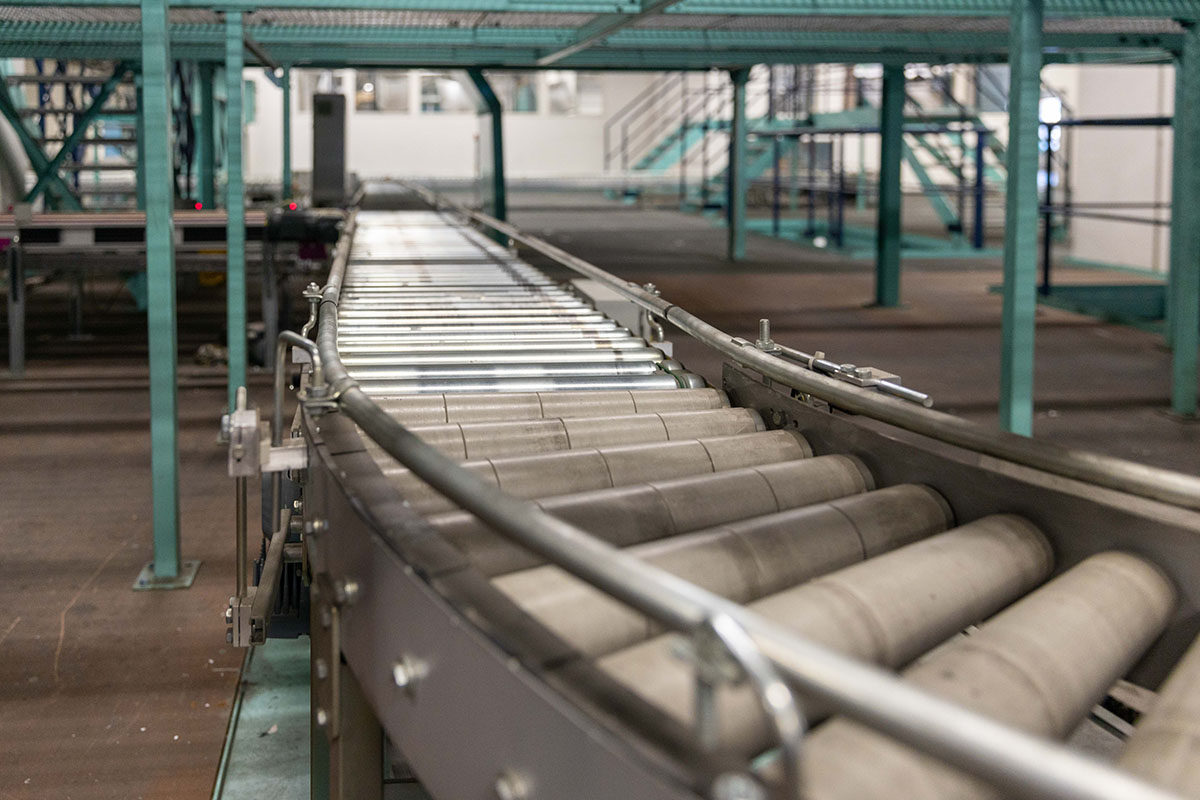
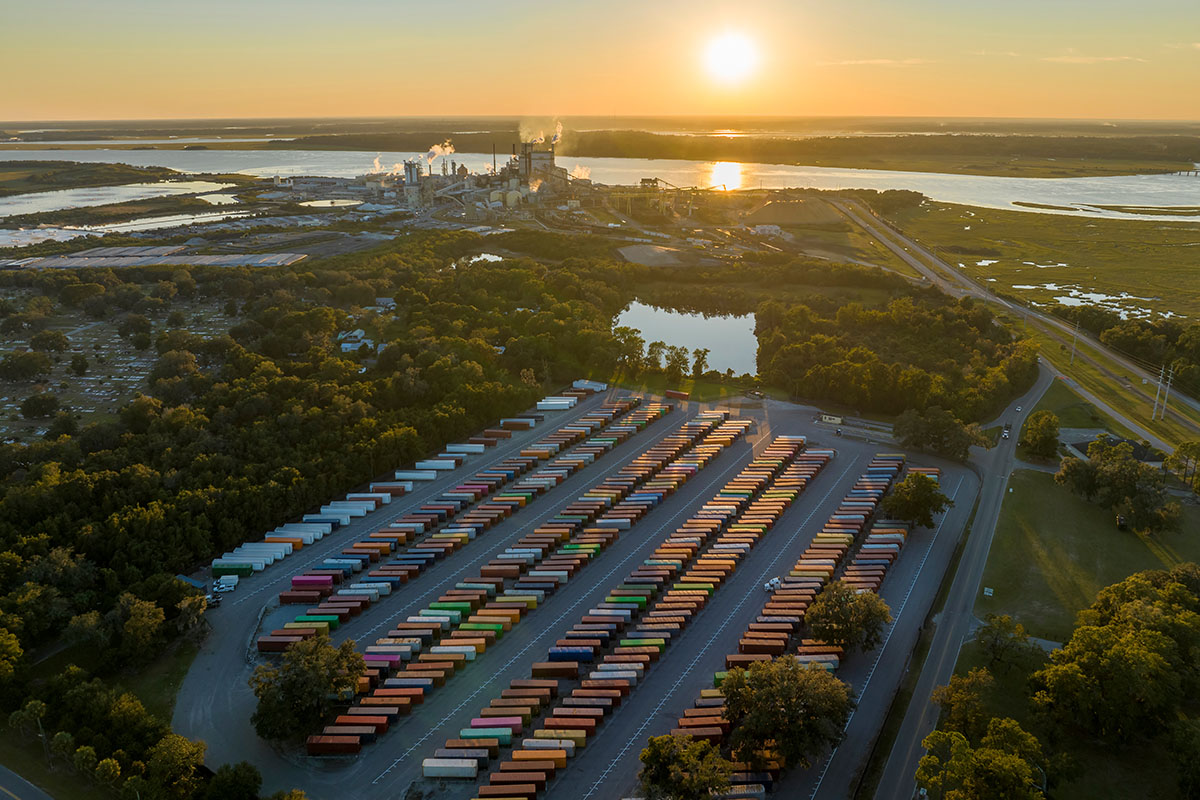
U.S. container imports reached a record 2,674,808 TEUs in October, topping the May 2022 peak. Inland trucking capacity is tighter than a year ago, and the U.S.-China port fee suspension now runs only to January 10.
Most U.S. shippers expect to spend more on logistics in 2027, and 52% plan to use more providers rather than fewer. October's aggregate logistics cost index rose at its fastest rate since March 2022, so next year's bids start from a higher base.
