ATRI's latest cost of congestion study puts trucking's 2024 bill at $128.2 billion, roughly a fifth of it wasted fuel bought at prices well below today's. With diesel near $6 a gallon and carrier margins thin, every hour a truck spends crawling through a metro now costs more than the study can show.
Key Takeaways
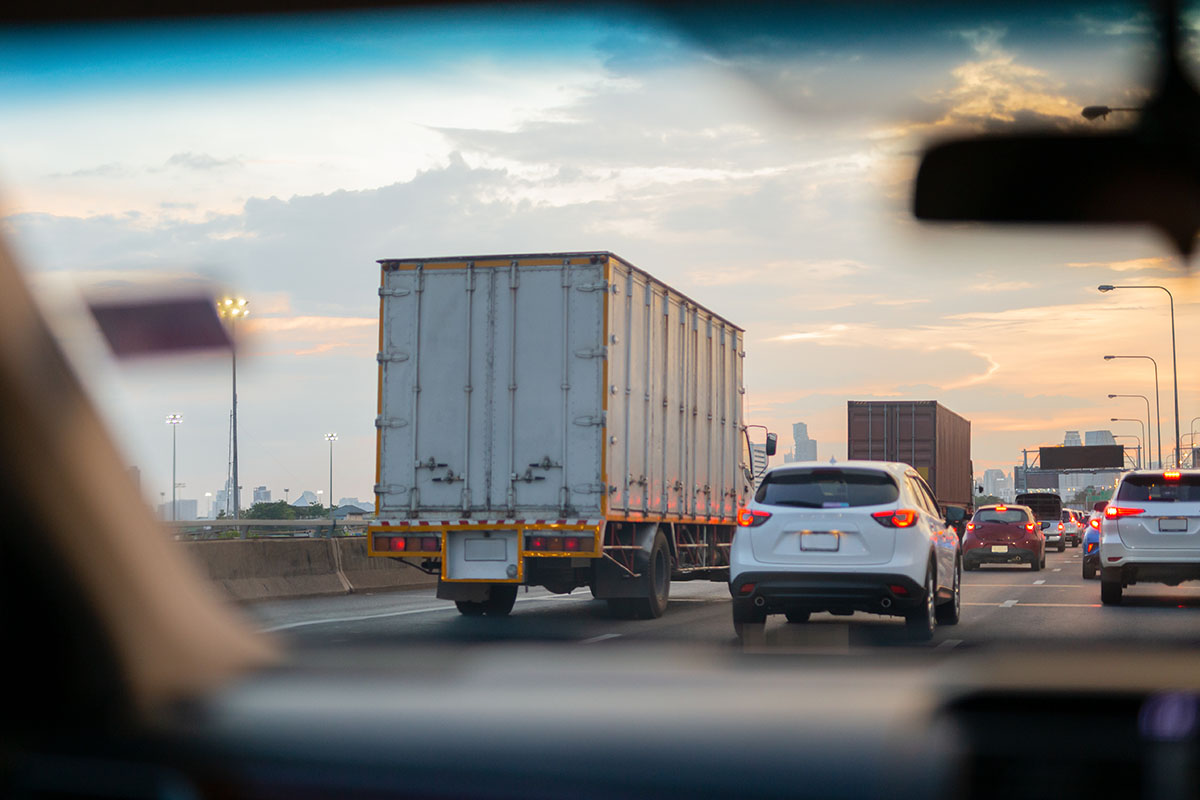
Traffic has always been a cost of doing business in trucking. What has changed is the price of the fuel a truck burns while it sits in it. The American Transportation Research Institute's Cost of Congestion to the Trucking Industry: 2026 Update, released November 18, puts the industry's 2024 congestion bill at $128.2 billion. The study measures a year when diesel was far cheaper than it is now, which means the number most fleets will quote this week already understates what an hour of gridlock costs them in late 2026.
ATRI's figure is down slightly from the record $129.8 billion in 2023, but it is the third straight year above $120 billion and 28.8% higher than the pre-pandemic figure of $99.5 billion, Heavy Duty Trucking reported. The small dip was not a sign of clearer roads. Congestion itself worsened in 2024, ATRI found; total costs eased only because a prolonged freight recession cut the number of truck miles being driven. Average truck speeds were 1.7% below their 2020 peak.
The time lost is enormous. Trucks spent 1.24 billion hours in delay, equal to 451,615 drivers sitting idle for a full year, FleetOwner reported, and the average cost per truck came to $7,973. Tractor-trailers run 57% of their miles on interstates, and interstate truck mileage has grown nearly 25% over the past decade while interstate lane miles grew just 4.5%. More freight is being pushed through a network that is barely getting bigger.
The cost is concentrated. The ten most expensive states accounted for 53% of the national total, with Texas ($10.92 billion), California ($10.47 billion) and Florida ($10.35 billion) each above $10 billion. Among metros, New York City led at $7.49 billion, followed by Miami at $3.69 billion and Chicago at $3.54 billion, according to Transport Topics. Jeremy Carmichael, vice president of operations at Ruan Transportation Management Systems, said congestion is "placing near-record costs on trucking, retailers and consumers." Zach Miller, vice president of government affairs at the Trucking Association of New York, called for "sustained investment in infrastructure to reduce congestion."
Fuel is where the 2024 numbers age fastest. ATRI estimates congestion wasted 6.66 billion gallons of diesel, adding $25.04 billion in fuel costs, with trucks averaging an estimated 3.73 miles per gallon and burning 5.36 gallons for every hour of congested operation. Those dollars reflect 2024 prices. The U.S. Energy Information Administration's weekly diesel survey put the on-highway average at $5.937 a gallon for the week of November 16, down 19 cents from the week before but $2.069 higher than a year earlier. At that price, the same 6.66 billion gallons would cost roughly $39.5 billion, a Logistics Focus calculation rather than an ATRI estimate, and an hour of congested operation burns close to $32 of diesel before any driver wage or equipment cost is counted.
ATRI measured congestion in a year of cheaper diesel. At today's prices, the fuel a truck burns standing still has become one of the fastest-growing lines in a fleet's cost per mile. Logistics Focus analysis
That arrives at a bad moment for carriers. An Associated Press report republished by Transport Topics notes that on-highway diesel hit a record national average of $6.53 a gallon in September, and that ATRI found truckload and refrigerated carriers averaged operating margins below 1% in 2025. Spot rates can take three to four weeks to catch up with fuel costs, according to DAT, while carriers may wait 30 to 90 days to be paid. "Those lags in the rates catching up to fuel are even more challenging if you've got to put food on the table," said Alex Leslie, senior research associate at ATRI.
No fleet can widen an interstate, and the funding picture is unsettled. The Infrastructure Investment and Jobs Act expired in September 2026 and was temporarily extended without a new reauthorization, and the Congressional Budget Office projects the Highway Trust Fund will be exhausted by the end of 2028 without action, Heavy Duty Trucking reported. Relief from new capacity is years away at best.
What fleets can manage is their exposure. ATRI's own numbers show the cost sits in specific states, metros and corridors, which means it shows up in specific lanes, delivery windows and customers. Fleets that can see where their trucks lose time, how much fuel they burn while stopped or crawling, and which appointments push drivers into peak traffic can price that time into contracts, reroute where it pays, and shift schedules where a customer allows it. Fleets that cannot see it absorb the cost as an unexplained drop in miles per gallon and miles per day.
ATRI's study is a look back at 2024, but the pattern it describes has not changed: more truck miles on a network that is barely growing, concentrated in the same states and metros year after year. What has changed is the price of standing still. Fleets that measure their own congestion exposure and charge for it will carry that cost far better than those that only notice it in their fuel bills.

Guide
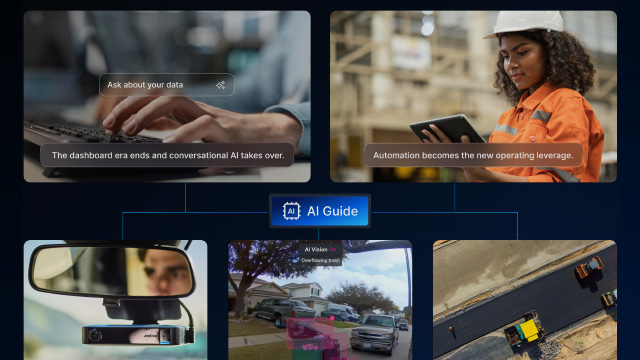
Routing around congested metros only pays when a fleet can predict where its trucks will lose time. Motive's guide covers how AI is applied to route optimization and driver scoring, and the readiness factors that decide whether it delivers.
Download

Guide
Stop-and-go traffic raises fuel burn and collision risk together, and both land on cost per mile. Lytx gathers six field-tested strategies for improving the efficiency, safety performance and cost structure of a fleet of any size.
Download

Guide
With 1.24 billion truck hours lost to delay, recovering productive time without adding trucks is the lever fleets control. IntelliShift shows how operators use data, smarter routing and operational visibility to do it.
Download
Bain finds 79% of U.S. fleet operators expect to grow over the next year, yet October Class 8 orders fell 36% as EPA 2027 uncertainty stalled decisions. The fleets that do buy are ranking fuel efficiency and total cost of ownership first.
Werner says enrollment at its own and other driving schools fell 20% to 30% as federal enforcement narrows the driver pipeline. Truckload carriers are answering with safety records, home time and training academies, not pay alone.
