The online auto parts retailer moved more than 6,000 packages through its own last-mile network last quarter and wants to reach 300,000 a year. Every parcel taken off a national carrier saves the carrier's margin, and hands the shipper the fuel, crash and insurance exposure that margin used to cover.
Key Takeaways
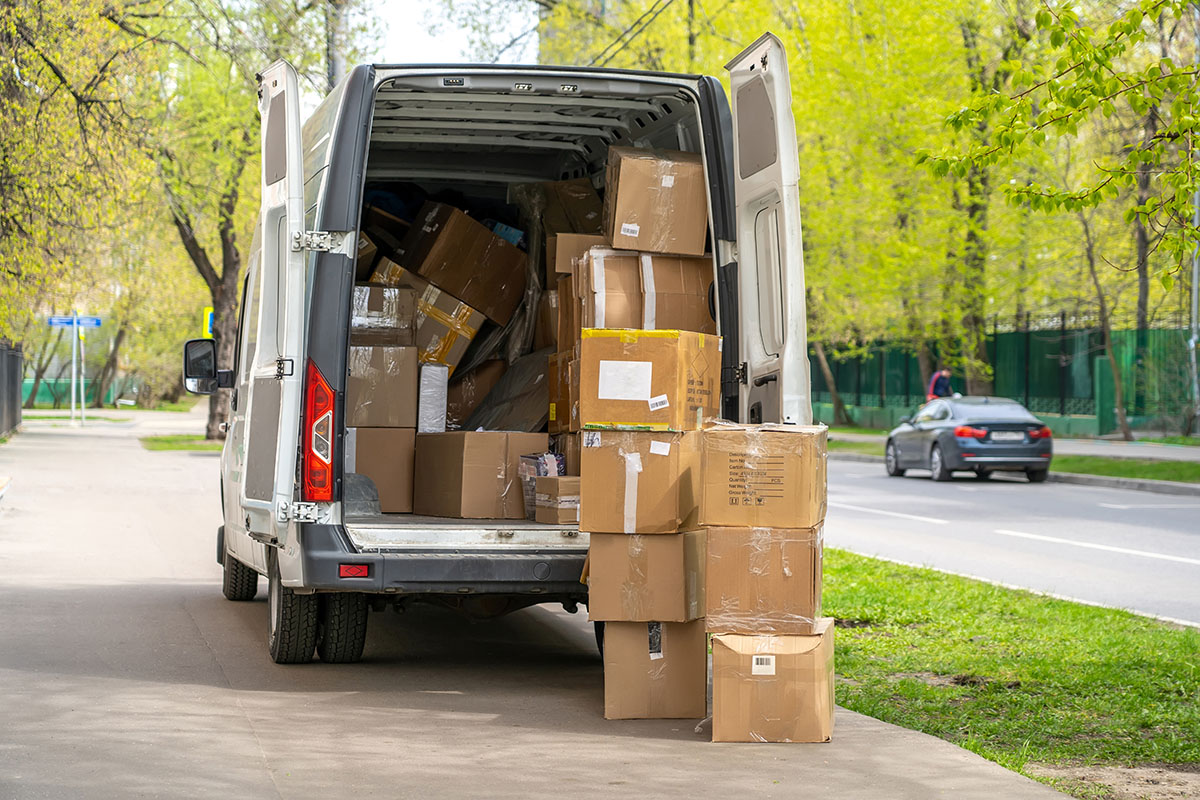
Most shippers respond to rising parcel rates by negotiating harder. CarParts.com is driving around them. The online auto parts seller has started routing packages through its own last-mile network instead of a national carrier, and the volume doubled in a single quarter. The logic is straightforward: a parcel on your own van is a parcel whose price you set. The catch is just as straightforward. The van, the driver, the fuel and the crash risk come with it, and none of those costs show up on a carrier invoice anymore.
As Supply Chain Dive reported on November 11, CarParts.com's internal network delivered more than 6,000 packages in the quarter ended October 3, about twice the number it handled in the second quarter. CEO David Meniane told investors the company's "medium-term target is 300,000 packages annually, approximately 5% of our total outbound volume," a goal it first set on its May earnings call with a 12 to 24 month horizon. Three of its four distribution centers, in Dallas, Jacksonville and Las Vegas, already run next-day delivery, and Chicago is slated to follow in the fourth quarter.
Meniane framed the economics plainly: "Every package we route through our own network rather than a national carrier is a package where we control the cost." He called the savings opportunity "substantial." Gross margin rose about 30 basis points year over year in the third quarter, which the interim CFO attributed mainly to lower freight rates, so the in-house network is still a small contributor next to what the company pays carriers. At 5% of outbound volume, it is a hedge, not a replacement.
CarParts.com is not alone in looking past the two big integrators. ShipMatrix data covered by Supply Chain Dive on November 10 shows about 145 million packages went to alternative carriers such as OnTrac, Veho, Jitsu, DoorDash, SpeedX and UniUni in the first half of 2026. Amazon's U.S. parcel deliveries rose 9.7% over the same period and FedEx's rose 4.6%, while UPS volume fell 5.7% and USPS volume fell 3.1%. ShipMatrix expects overall peak season volume to rise 4% on last year, and warned that fuel prices "could go higher in December."
The alternatives carry their own risk. UniUni, which says it can deliver more than a million parcels a day, posted a 2025 net loss of nearly $118 million, up from about $74.7 million in 2024, according to a prospectus cited by Supply Chain Dive on November 16. Its planned listing through Mak Acquisition Corp. collapsed in October, with the buyer citing "deteriorating business and financial performance," and UniUni is now tapping partner carriers such as Gofo for some peak season deliveries under what it calls "the collaborative model." A shipper that diversified away from UPS and FedEx can find its parcels handed to a third company it never contracted.
Diversifying carriers spreads the risk. Running your own vans concentrates it on your own balance sheet. Logistics Focus analysis
The cost backdrop explains the appeal. Evercore ISI data cited by CNBC on November 16 shows general trucking rates up more than 47% year over year in the week of November 2, with fuel surcharges up 64% as diesel set records. ShipMatrix forecasts 2.4 billion packages over the holiday peak. When a carrier passes fuel through as a surcharge, the shipper at least sees it as a line item. When the shipper runs its own vans, the same diesel lands directly in operating cost, with no carrier margin in between to absorb a bad week.
Fuel is only the visible part. A national carrier's rate also bundles driver recruiting, vehicle maintenance, liability insurance, claims handling and the safety program that keeps all of it in check. A retailer moving 300,000 parcels a year through its own network inherits each of those, usually without the scale or the data a carrier uses to manage them. That does not make in-house delivery a mistake. CarParts.com's next-day promise from three distribution centers is a service advantage carriers cannot easily match. It does mean the savings Meniane describes are gross of risks the company now carries itself.
CarParts.com's numbers are still small: a few thousand packages a quarter against a target of 300,000 a year. The direction is the story. With national carrier volume shifting, alternative carriers burning cash and fuel setting records, more shippers will be tempted to put their own name on the van. The ones who succeed will be the ones who budget for the fleet they are actually buying, not just the carrier invoice they are cancelling.


Guide
A shipper that runs its own vans inherits the insurance, maintenance and accident costs a carrier used to bundle into the rate. Lytx sets out the financial case for video telematics across exactly those cost lines, with real reduction data.
Download

Report
Deciding which deliveries to run in-house and which to leave with carriers is a make versus buy call. GEP examines what organizations can realistically outsource in supply chain today and how those service models are changing.
Download

Guide
On an owned delivery fleet, record diesel stops being a surcharge and becomes operating cost. Motive shows how fleet operators measure and improve the return on fuel spend through routing, driver coaching and fuel procurement strategy.
Download
USPS will add a fuel surcharge to its main parcel products in January that resets every week on federal diesel and jet fuel prices. With diesel up $2.63 a gallon in a year, the last fixed-price parcel option is going away.
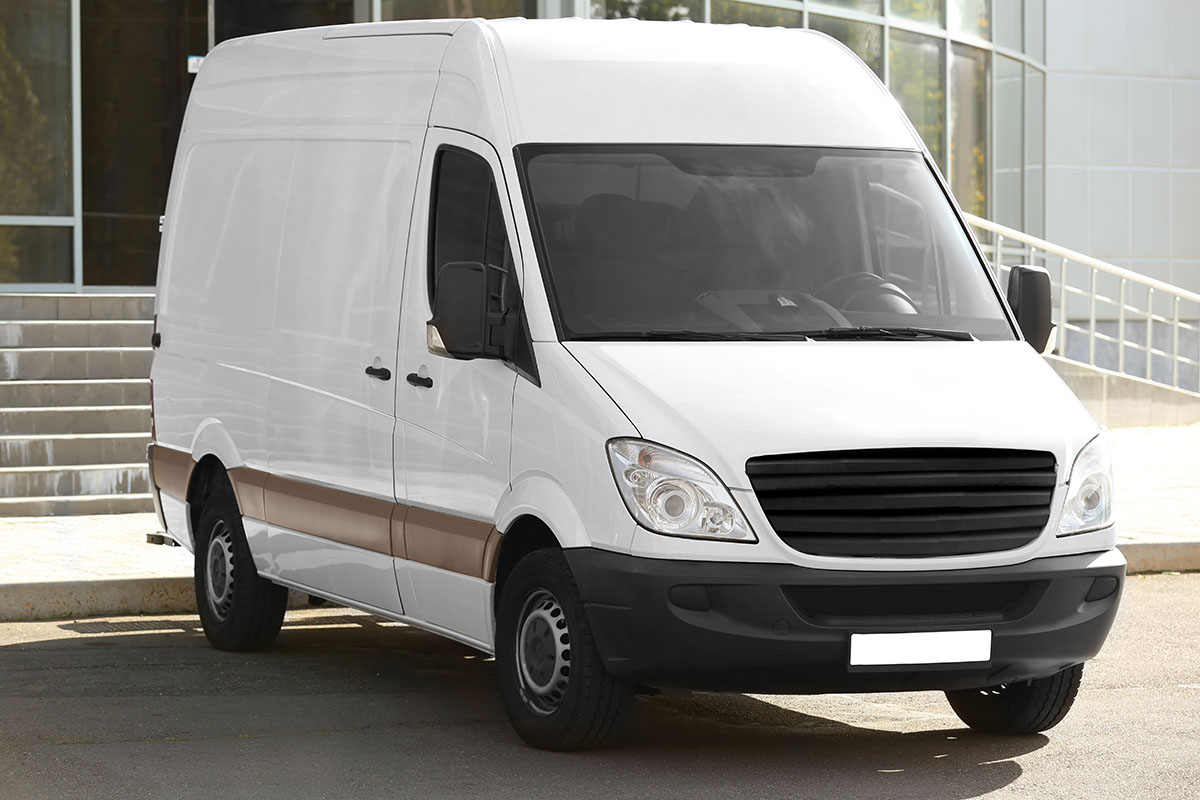
IIHS rated front crash prevention on seven cargo vans and four Class 3 pickups, and nine earned marginal or poor marks in the vehicle-to-vehicle test. Two common fleet vans offer no automatic braking at all, which turns the spec sheet into a safety decision.
