CVSA's 2026 Brake Safety Week put 15.3% of the 15,528 trucks inspected out of service, up from 12.8% in 2024. Where inspectors measured braking force directly, only 4.4% failed, so most orders were for defects a careful inspection can find.
Key Takeaways
Brakes are the most inspected system on a commercial truck and, year after year, the most common reason one gets parked at the roadside. The numbers from this year's Commercial Vehicle Safety Alliance brake campaign, published this week, show the problem is not shrinking. Roughly one truck in seven that inspectors examined in late August was ordered off the road until its brakes were repaired, and that share has now risen for two years in a row.
Brake Safety Week ran from August 23 to 29 across 51 jurisdictions in the United States, Canada and Mexico. According to FleetOwner's report on the 2026 results, inspectors examined 15,528 commercial motor vehicles and placed 2,369 of them, or 15.3%, out of service for brake violations. Ninety-one percent of the checks were full Level I inspections, the 37-step procedure that covers both the driver and the mechanical condition of the vehicle.
The rate varied by country. U.S. inspectors placed 2,134 of 14,165 vehicles out of service, a 15.1% rate. Canada's rate was higher at 17.8%, with 232 of 1,306 vehicles sidelined, while Mexico reported 3 of 57. The single largest category was the defective-brake rule, under which a vehicle is placed out of service when 20% or more of its service brakes have an out-of-service condition: 1,176 vehicles failed on that test alone.
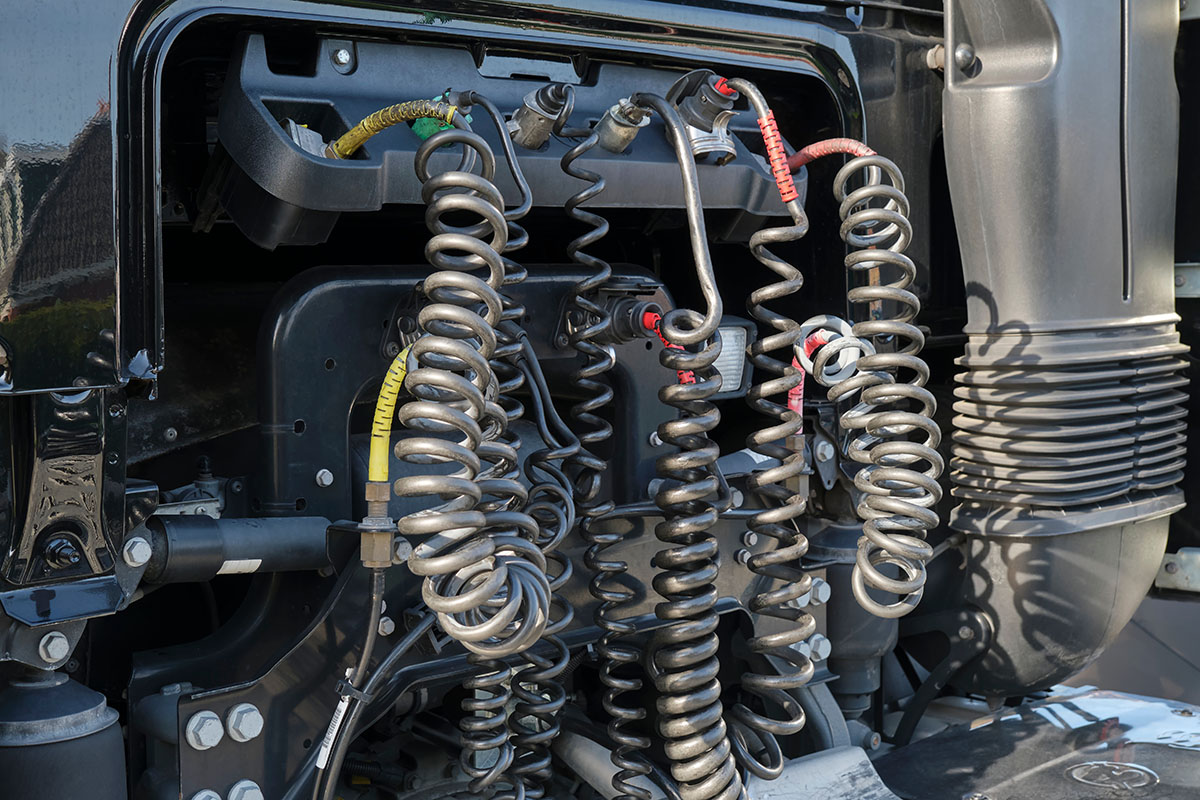
The component detail is where fleets should look hardest. Heavy Duty Trucking's breakdown lists 600 out-of-service violations involving brake hoses or tubing, 145 for excessive air loss, 119 for steering axle brake conditions other than linings and 92 for steering axle linings. Another 759 covered air tanks, tractor protection systems, parking brakes and low-air warning devices. Vehicles can carry more than one violation.
A single campaign is a snapshot, but the trend across three of them is harder to dismiss. In 2024, inspectors checked 16,725 vehicles and sidelined 2,149, a 12.8% rate. In 2025, CVSA reported 2,296 brake-related out-of-service vehicles from 15,175 inspections, about 15%. This year the count rose again to 2,369, from roughly 1,200 fewer inspections than two years ago. More trucks are being parked from a smaller sample, which points to the condition of the fleet rather than the intensity of enforcement.
The campaign's focus area moved the same way. Drums and rotors were the emphasis in both years, and violations rose to 141 from 113, with vehicles placed out of service for them climbing to 64 from 39. Rusted rotors led with 48 violations, mostly on air disc brakes, followed by 36 broken drums, all on S-cam brakes, 33 broken rotors and 24 cases of metal-to-metal contact. Air disc brakes accounted for 97 of the 141 violations, a reminder that newer brake designs still need inspection and maintenance.
Brakes are not only a September problem. At CVSA's International Roadcheck in May, brake systems were again the leading vehicle out-of-service category, with 3,379 violations, or 24.3% of the 13,924 vehicle out-of-service violations recorded. Adding the 2,072 defective-brake violations brings brake-related problems to about 39% of the total. Tires were second at 2,914.
The most useful number in this year's results is a small one. Twelve U.S. jurisdictions ran 657 trucks across performance-based brake testers, which measure actual braking force rather than the condition of individual parts. Only 29, or 4.4%, fell below the 43.5% minimum braking efficiency. In 2025 the figure was 25 of 528, or 4.7%. Set against an overall out-of-service rate above 15%, that gap suggests most trucks being sidelined can still stop. What they cannot pass is a component inspection: a leaking line, a damaged hose, a cracked drum or a steering axle brake out of specification.
That distinction matters for carriers because these are the defects a thorough pre-trip inspection and a disciplined defect-repair process are built to catch. An out-of-service order costs the load, the driver's hours and the carrier's safety score, and the condition that triggered it was often visible to the driver, the technician or the data before the inspector found it.
CVSA has moved next year's Brake Safety Week to April 18 to 24, 2027, about four months earlier than this year's campaign. That leaves less time than usual to prepare. Fleets can lower their exposure with steps that target the defects inspectors are actually finding:
The national brake out-of-service rate is not an industry crisis, but it is moving the wrong way, and it is moving on defects carriers can see. The fleets that keep their trucks out of next spring's statistics will be the ones that treat a worn hose or a leaking line as a dispatch decision rather than a maintenance backlog.


Guide
A driver defect report, a vehicle condition record and a roadside brake violation usually sit in separate systems with separate owners. This guide shows how connecting them gives a fleet one view of the trucks most likely to fail an inspection.
Download

Guide
Hoses, air loss and rusted rotors are maintenance planning failures before they are roadside violations. Experienced fleet managers explain how they organize maintenance planning and driver coaching so programs like these stick.
Download

Guide
When maintenance, compliance and safety data live in separate point solutions, a known brake defect can slip between them. This guide examines what fleets gain by consolidating those functions onto one platform.
Download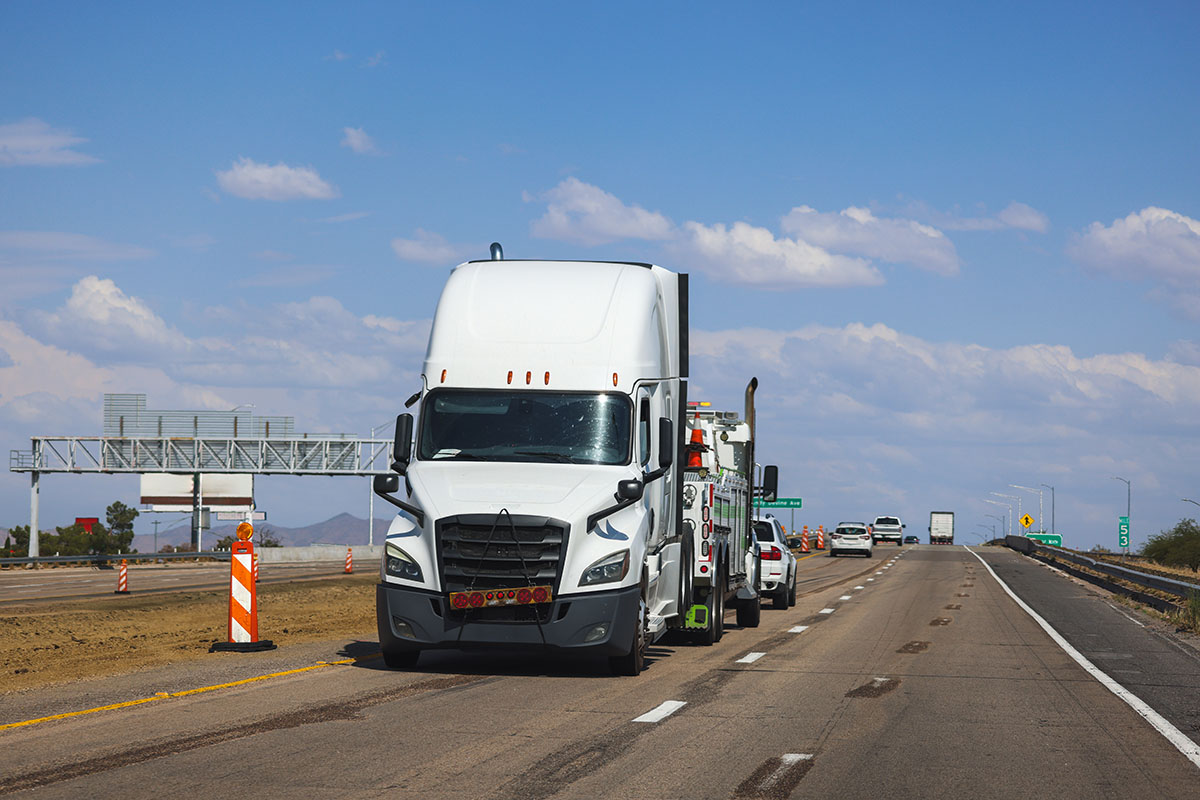
Six Northeast state police agencies inspected 915 commercial vehicles in three days and issued 319 out-of-service orders. The defects they found were the same brakes, tires, logbooks and medical cards that topped the 2026 national Roadcheck results.
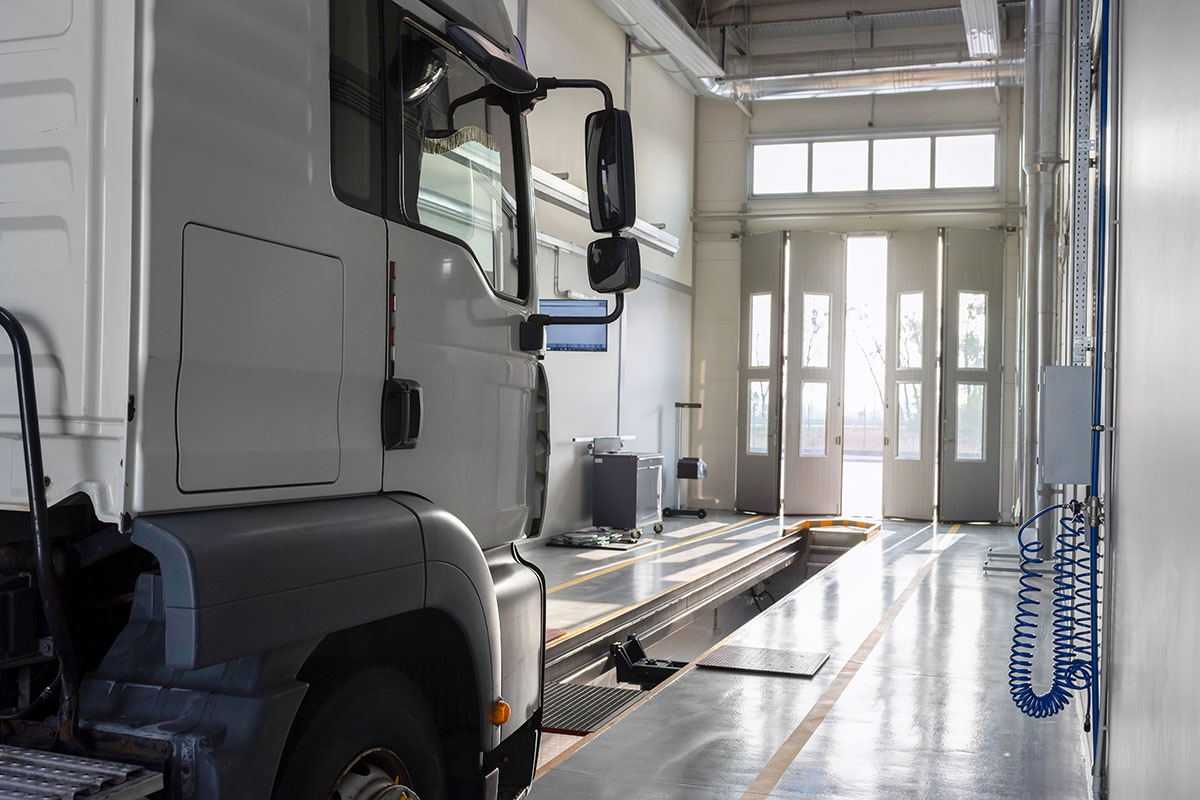
The 2027 NOx pre-buy is over, and September truck orders split on the year as fleets wait on a final EPA rule. Carriers that did not buy are running aging equipment whose repair bills are climbing faster than almost any other cost.
