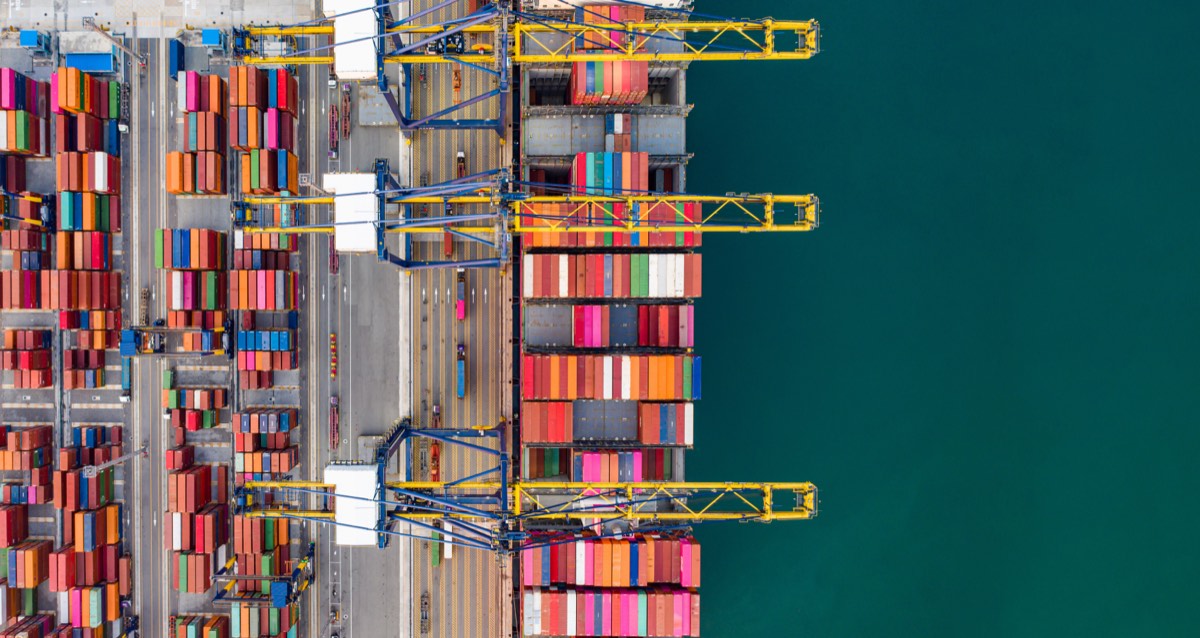
A sweeping realignment of global freight flows is underway. Trade policy shifts, carrier consolidation, and nearshoring momentum are combining to redraw where goods move and how they get there.
Key Takeaways
The last map most logistics executives drew of their global supply chain was already obsolete by the time the ink dried. According to a 2026 Gartner survey of 800 global operations leaders, 68% say their primary supply chain network will look fundamentally different three years from now than it does today. That figure is not aspirational. For many organizations, the rewiring is already happening.
"We have seen more lane-level restructuring in the past 18 months than in the prior decade combined," said a senior network strategy director at a Fortune 100 consumer goods company, speaking at the Council of Supply Chain Management Professionals annual conference in April. The driver, he argued, is not any single disruption but a convergence: tariff unpredictability, port policy changes, a new generation of carrier alliances, and the accelerating economics of regional production.
Two dynamics are doing the most structural damage to traditional freight flows. The first is tariff volatility. Since 2022, the United States has applied, suspended, reinstated, and modified tariffs on goods from more than 40 countries across seven distinct policy cycles, according to a tally maintained by the Peterson Institute for International Economics. Each cycle creates a fresh wave of lane-switching decisions at the shipper level, and the cumulative effect is a dramatic erosion of confidence in China-centric sourcing models. The American Chamber of Commerce in China reported in its 2026 Business Climate Survey that 54% of member companies have actively reduced their China manufacturing footprint or are in the process of doing so.
The second force is nearshoring investment. The numbers here are substantial. The Reshoring Initiative tracked $186 billion in announced North American manufacturing investment in 2025 alone, the third consecutive record year. That capital is converting into freight volume on corridors that were relatively minor five years ago: Monterrey-to-Chicago intermodal, Juarez-to-Dallas truck lanes, and cross-border rail connections at Laredo and El Paso that are now operating at or beyond designed capacity.
"The companies still optimizing their China routes are solving last decade's problem. The ones winning today are building redundant corridors before they need them, not after a disruption forces their hand." Vice President of Global Logistics, multinational industrial manufacturer
The transpacific trade lane, once the backbone of global containerized freight, is undergoing its most significant structural reset since China joined the World Trade Organization in 2001. Freightos data from Q1 2026 shows that China-to-US West Coast volumes are down 19% year-over-year, while Vietnam-to-US volumes are up 31% and India-to-US volumes have grown 44% over the same period. These are not temporary fluctuations driven by lunar new year timing or port strikes. They reflect genuine, long-term sourcing diversification by major importers in consumer electronics, apparel, and home goods.
On the transatlantic side, reshoring of pharmaceutical and semiconductor production is generating new eastbound flows that previously did not exist at meaningful scale. US-manufactured goods moving to European distribution hubs increased 22% in TEU terms between 2023 and 2025, according to the World Shipping Council. Meanwhile, carrier consolidation is reshaping who controls capacity on these lanes. The merger of Hapag-Lloyd and MSC's service networks into a unified alliance structure, combined with the ongoing integration of Yang Ming and Evergreen scheduling into a single commercial block, has reduced the number of major ocean alliances from five to three since 2023. For large-volume shippers, this concentration offers more reliable scheduling. For mid-size importers booking spot capacity, it has significantly reduced negotiating leverage and driven rate volatility in short-notice markets.
Air freight is experiencing its own realignment. With belly capacity constrained by the continued grounding of certain widebody routes following geopolitical airspace closures, cargo-only operators have gained market share on key corridors, particularly Asia-to-Europe. IATA reported in March 2026 that cargo-only carriers now account for 39% of air freight tonne-kilometers globally, up from 29% in 2021.
The organizations navigating this rewiring most effectively share several operational characteristics that distinguish them from peers who are still reacting rather than anticipating. First, they have adopted continuous network modeling rather than annual lane reviews. Tools from vendors including o9 Solutions, Llamasoft (now part of Coupa), and Blue Yonder allow operations teams to run live simulations against changing tariff schedules, carrier capacity data, and lead time assumptions. Shippers using these platforms report cutting their network-adjustment cycle from six to eight months down to six to eight weeks, according to a 2025 Gartner Market Guide for Supply Chain Network Design.
Second, high-performing shippers are building deliberate redundancy into carrier relationships. Rather than consolidating all volume with two or three ocean carriers to maximize rate leverage, leading importers are deliberately maintaining commercial relationships with five or more carriers, accepting slightly higher average rates in exchange for guaranteed capacity access during disruption events. A 2026 survey by Drewry Shipping Consultants found that importers with six or more carrier relationships experienced 34% less spot-rate exposure during the Q4 2025 Red Sea disruption than those with fewer than three.
Third, these companies are investing in visibility technology at the lane level, not just the shipment level. The distinction matters. Shipment-level visibility tells you where a specific container is today. Lane-level visibility tells you which of your freight corridors are showing systemic on-time performance degradation, which ports are accumulating dwell time, and which carrier partners are experiencing capacity stress before it translates into missed deliveries.
The organizations that will define competitive advantage in global logistics over the next five years are not those with the lowest current freight rates. They are the ones building networks flexible enough to absorb the next policy shock, port disruption, or carrier restructuring without losing weeks of supply chain continuity. The rewiring of global freight is not an event with a finish line. It is the new permanent condition of operating in a fragmented, multipolar trade environment.
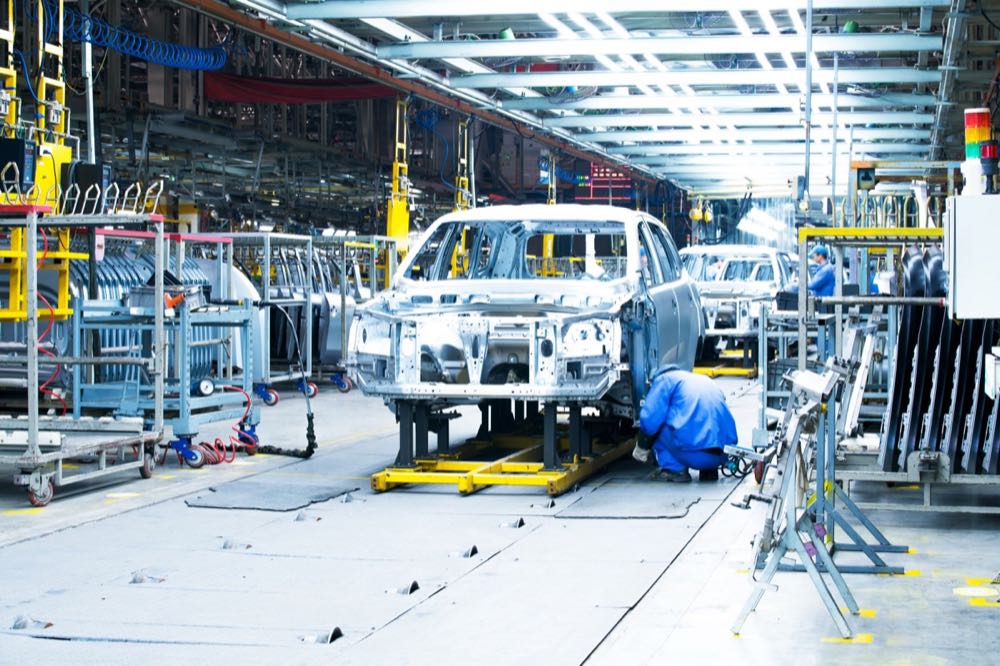
Companies are racing to move production closer to home markets, and freight patterns across North America are shifting faster than most carriers anticipated. We spoke with the shippers and 3PLs driving the change.
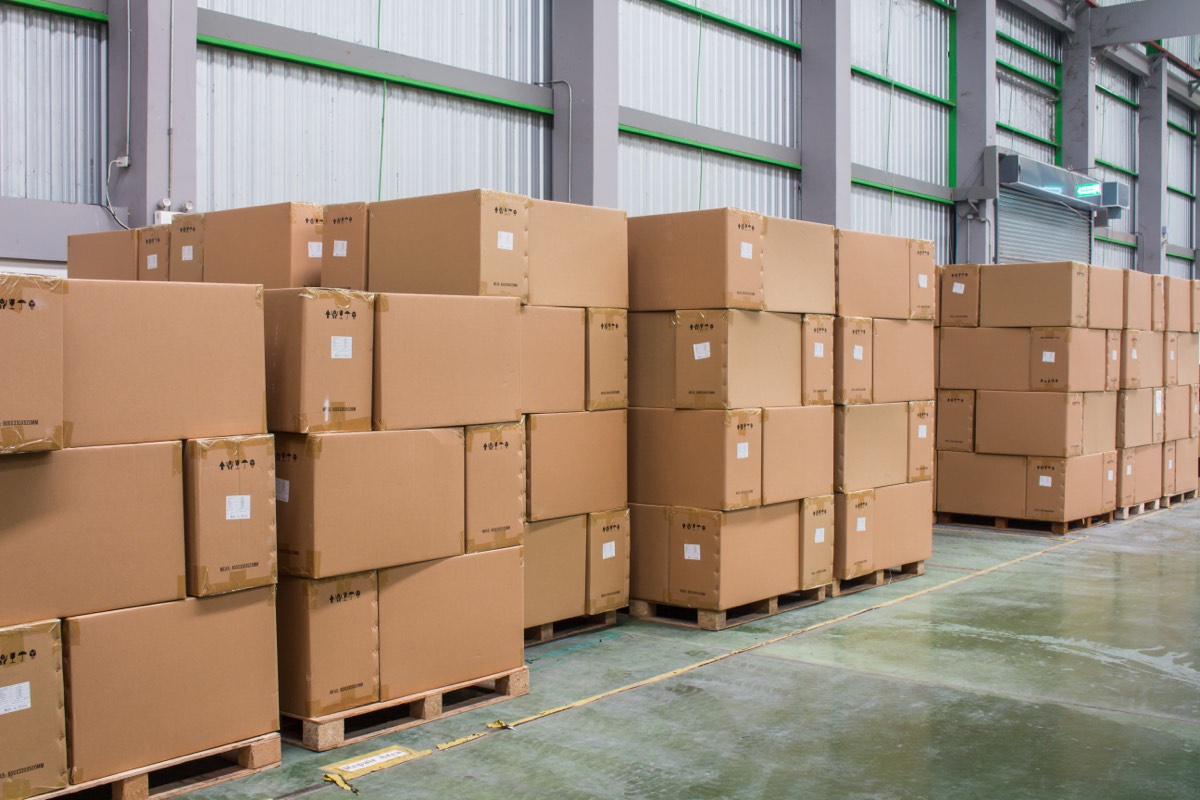
After years of lean inventory discipline, supply chain disruptions have forced a fundamental rethink. The companies that survived the last three years of volatility share a common trait.

Last-mile costs now represent more than 53% of total delivery spend for the average US e-commerce shipper. The carriers closing the gap are rethinking density, routing, and driver models.
